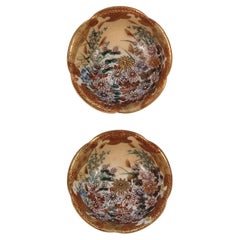
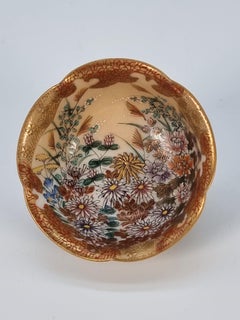
Meiji Decorative Bowls

MEIJI STYLE

From 1868 to 1912, Emperor Mutsuhito oversaw an era of transformation in Japan. Formerly a country of feudalism and isolation, Japan entered an age of modernization influenced by newly established trade and exchange with the West. The Meiji period, or period of “enlightened rule,” also saw the global impact of the East Asian country’s culture. Japanese Meiji furniture was exhibited at expositions from Paris to San Francisco and created for export.

Prior to the Meiji era, furniture was mostly made by commission for the ruling class; now there were new domestic and international markets. European styles like Japonisme appropriated Japanese design while craftsmen in places like Wales and England employed japanning, a varnishing technique that approximated the appearance of lacquer for the surfaces of furnishings.

Meiji furniture made for Japanese homes and buildings constructed in Western styles resulted in taller tables, chairs, cabinets with large drawers and other features. The government invested in areas such as transportation and communication, and because people could freely choose occupations after the restrictions of feudalism, industries of various types were energized by expressive new ideas during those years. Art schools were formed and, for the first time, design was an area of study in the country, leading to the evolution of professional design as a career by the 1890s.

The work of Japanese designers was transmitted widely through lavishly illustrated pattern books that included designs for screens and lacquerware for the home. While screens today may be of use as decorative accents or partitions to ensure privacy in one’s space, Japanese screens were adorned with paintings and were featured in performing arts such as concerts, tea ceremonies and more. The color illustrations that characterize Meiji woodblock prints, a genre of Japanese art that grew out of 17th-century developments in printing and book publishing, depicted the sweeping changes that the era brought to East Asia.

Although it was a time of societal and cultural shifts, a bolstered interest in art and design elevated Japanese craft traditions. From colorful porcelain table lamps with silk shades and hardwood tables decorated with dark lacquer to cabinets featuring iron hardware and inlaid with mother-of-pearl, Meiji furniture showcased Japan’s artistic heritage to the world.

Find a collection of antique Japanese Meiji period case pieces and storage cabinets, decorative objects, wall decorations and more furniture on 1stDibs.

to
6
28
4
16
12
4
11
6
3,566
1,181
888
709
268
204
110
109
98
63
38
36
34
28
21
15
15
8
21
15
10
5
3
17
7
32
32
32
Height
to
Width
to
32
32
32
3
1
1
1
Style: Meiji
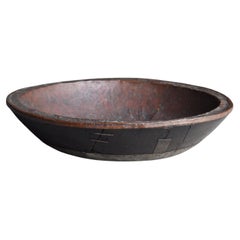
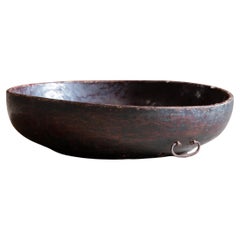
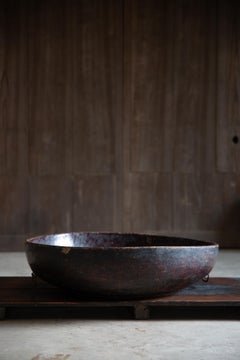
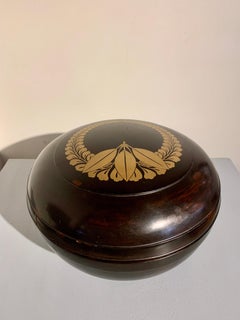
Japanese Antique Wooden Bowl or Display stand 1860s-1900s / Wabisabi

Japanese Antique Wooden Bowl or Display stand 1860s-1900s / Wabisabi

By Axel Vervoordt

Located in Chōsei District Nagara, JP

This is an old Japanese wooden bowl. Originally used as a practical household vessel, it can also be turned upside down and appreciated as a display stand or pedestal. When inverted,...

Category

Early 20th Century Japanese Meiji Decorative Bowls

Materials

Copper, Tin, Iron

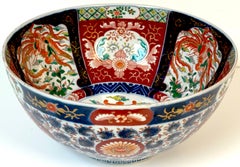
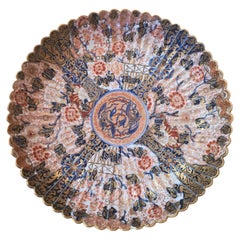
Large Meiji Imari Center Bowl, Phoenix & Floral Motifs, Atributted  Fukagawa

Large Meiji Imari Center Bowl, Phoenix & Floral Motifs, Atributted Fukagawa

By Fukagawa

Located in West Palm Beach, FL

Japanese Imari Deep Center Bowl with Phoenix and Floral Motifs, Signed, Meiji Period, Attributed to Fukagawa, Circa 1880–1910 A richly enameled and finely detailed Meiji-era Imari p...

Category

Late 19th Century Japanese Antique Meiji Decorative Bowls

Materials

Porcelain

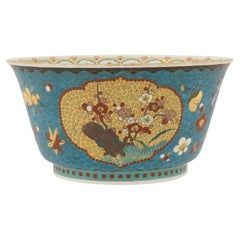
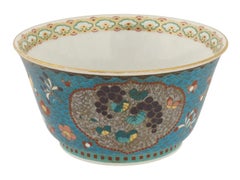
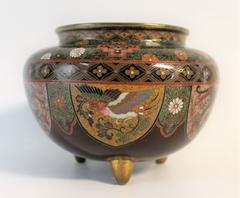
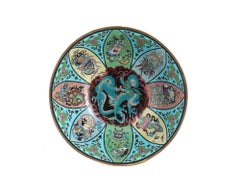
Japanese Cloisonne Enamel Porcelain Bowl Meiji Period Floral Panels

Japanese Cloisonne Enamel Porcelain Bowl Meiji Period Floral Panels

Located in Long Island City, NY

A finely executed Japanese cloisonné enamel bowl dating to the late Meiji period, produced for export and bearing the underglaze mark Dai Nippon Yushutsu (“Great Japan Export”). The ...

Category

19th Century Japanese Antique Meiji Decorative Bowls

Materials

Enamel

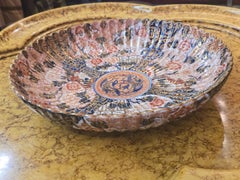
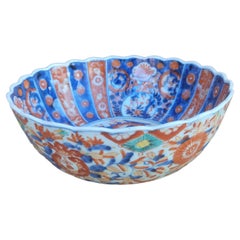
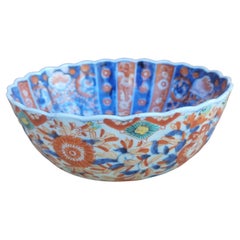
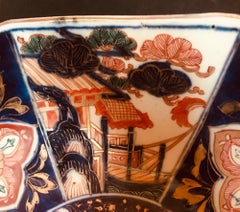
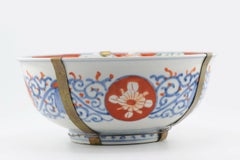
19th Century Japanese Imari Fluted Shallow Centerpiece Bowl

19th Century Japanese Imari Fluted Shallow Centerpiece Bowl

Located in Kilmarnock, VA

A richly decorated 19th century Japanese Imari shallow bowl featuring an elegant fluted scalloped rim and densely layered decoration executed in the traditional Imari palette of iron...

Category

Late 19th Century Japanese Antique Meiji Decorative Bowls

Materials

Enamel

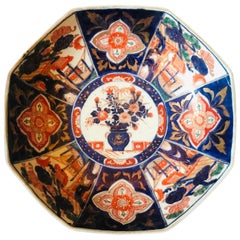
19th Century Japanese Imari Decorative Centerpiece Bowl

19th Century Japanese Imari Decorative Centerpiece Bowl

Located in Germantown, MD

19th century Japanese Imari Decorative centerpiece bowl. Measures 10" in diameter and 4.5" tall.

Category

Late 19th Century Japanese Antique Meiji Decorative Bowls

Materials

Enamel

Antique Japanese Awaji Pottery Minpei Ware Sancai (Three Color) Bowl Signed

Antique Japanese Awaji Pottery Minpei Ware Sancai (Three Color) Bowl Signed

By Awaji Pottery

Located in Wilton, CT

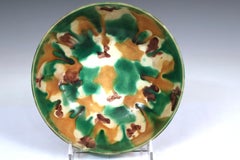
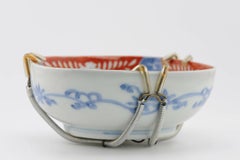
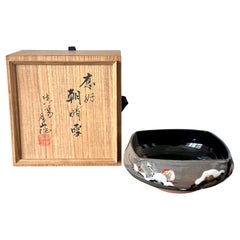
Antique Japanese Awaji pottery bowl in sancai (three color) glaze, circa 1900. Hand turned. Impressed plover mark from the Danto Kiln, succesor to the Minpei Kiln. Sancai glazes orig...
Category

Early 1900s Japanese Antique Meiji Decorative Bowls

Materials

Pottery

Kichizaemon Raku Seinyu XIII "13th" Signed Antique Japanese Raku Chawan Tea Bowl

Kichizaemon Raku Seinyu XIII "13th" Signed Antique Japanese Raku Chawan Tea Bowl

Located in Studio City, CA

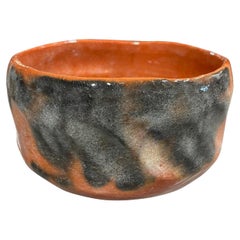
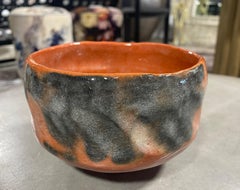
A wonderfully glazed, impeccably made Chawan tea bowl by famed Japanese master potter the 13th Kichizaemon Raku, Seinyu (1887-1944) who was the eldest son of Konyu - the 12th Kichizaemon of the Raku family line of potters - known as the most noted and celebrated tradition of pottery within the world of Japanese tea. Kichizaemon Raku was the 13th master to carry on the family's esteemed name and tradition. The bowl features shifting textures and deep, rich colours which radiate in the light. The term "Raku" was derived from the site where clay was dug in Kyoto in the late 16th century. The Kanji character for Raku translates to "enjoyment" or "fun/delightful" For 15 generations it has been the title and seal used by a lineage of potters whose work formed the central tradition in Japan. This lineage believes that 'Raku' refers to the potters who use the technique, not the technique itself. In the 16th century, the first of these potters, Chojiro is said to have come under the patronage of the Japanese tea master, Sen-No-Rikyu. According to legend, in 1598 a few years after Chojiro's death, ruler, Hideyoshi Toyotomi bestowed upon his adopted son, Jokei, a golden seal with the written symbol "Raku." Both the name and the ceramic style have been passed down through the family to the present ever since. The name and the style of ware have become influential in both Japanese culture and literature. Raku ware marked an important point in the historical development of Japanese ceramics, as it was the first ware to use a seal mark and the first to focus on close collaboration between potter and patron. Other famous Japanese clay artists...

Category

Early 20th Century Japanese Meiji Decorative Bowls

Materials

Ceramic

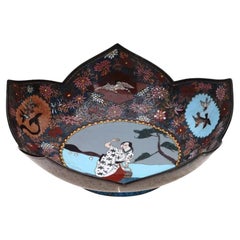
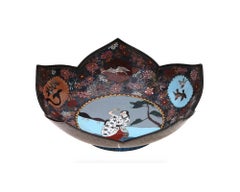
Antique Japanese Cloisonne Enamel Lotus Flower Bowl

Antique Japanese Cloisonne Enamel Lotus Flower Bowl

Located in Long Island City, NY

An antique Japanese cloisonne enamel bowl crafted during the Meiji period. The bowl is designed in the shape of a lotus flower, a revered symbol of purity and enlightenment in Japane...

Category

Early 20th Century Japanese Meiji Decorative Bowls

Materials

Enamel

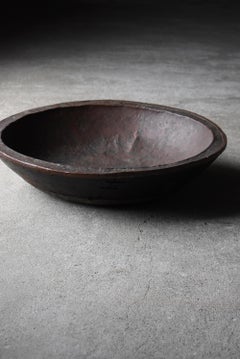
19th Antique Japanese Wabi sabi Urushi Konebachi Huge hand-carved dough bowl

19th Antique Japanese Wabi sabi Urushi Konebachi Huge hand-carved dough bowl

Located in 常陸大宮市, JP

Antique wooden dough bowl, Konebachi. - Hand-carved from the one solid wood piece , circa 1870s - 1900s. dough bowls were widely owned by the ordinary Japanese households, the most ...

Category

Late 19th Century Japanese Antique Meiji Decorative Bowls

Materials

Wood

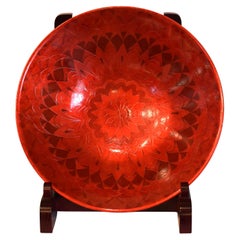
Japanese Contemporary Red Porcelain Bowl by Master Artist, 2

Japanese Contemporary Red Porcelain Bowl by Master Artist, 2

Located in Takarazuka, JP

Extraordinary Japanese contemporary museum-quality porcelain bowl/centerpiece in silver based foil in three stunning shades of red on a elegantly shaped body. This is a masterpiece b...

Category

21st Century and Contemporary Japanese Meiji Decorative Bowls

Materials

Silver, Foil

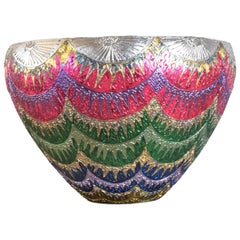
Japanese Contemporary Red Green Blue Platinum Porcelain Vase by Master Artist, 2

Japanese Contemporary Red Green Blue Platinum Porcelain Vase by Master Artist, 2

Located in Takarazuka, JP

Extraordinary large decorative porcelain decorative bowl titled "firework" with mysterious intricate etchings features platinum, gold foils plus silver foil tinted in shades of vivid...

Category

21st Century and Contemporary Japanese Meiji Decorative Bowls

Materials

Gold, Platinum, Silver, Foil

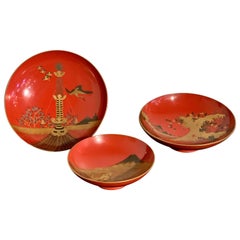
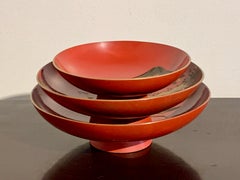
Japanese Lacquer Sake Cups, Set of 3, Meiji Period, Early 20th Century, Japan

Japanese Lacquer Sake Cups, Set of 3, Meiji Period, Early 20th Century, Japan

Located in Austin, TX

A finely decorated set of 3 red lacquer sake cups, sakazuki, featuring views of Mt. Fuji, Meiji period, circa 1900, Japan. The lacquer sake cups, called sakazuki, of traditional p...

Category

Early 1900s Japanese Antique Meiji Decorative Bowls

Materials

Lacquer

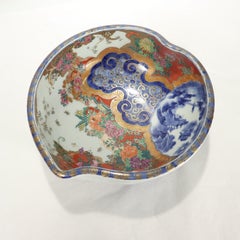
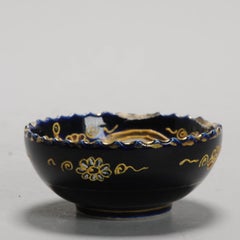
Antique Japanese Signed Imari Porcelain Plum Shaped Bowl by Hichozan Fukagawa

Antique Japanese Signed Imari Porcelain Plum Shaped Bowl by Hichozan Fukagawa

By Hichozan

Located in Philadelphia, PA

A fine antique signed Japanese Imari porcelain bowl. In the form of a shaped bowl with a plum-like shape. Decorated throughout with exquisitely detailed painted or enameled dec...

Category

Late 19th Century Japanese Antique Meiji Decorative Bowls

Materials

Porcelain

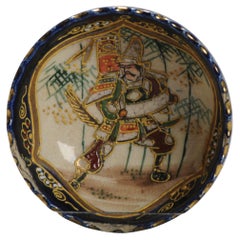
Japanese Satsuma Bowl Landscape Figural Decoration Marked, 19th Century

Japanese Satsuma Bowl Landscape Figural Decoration Marked, 19th Century

Located in Amsterdam, Noord Holland

Fabulous Japanese earthenware Satsuma bowl with nice decoration of a landscape with figures. Meiji period, 19th c. Lovely piece. Additional information: Material: Porcelain & Pott...

Category

20th Century Japanese Meiji Decorative Bowls

Materials

Porcelain

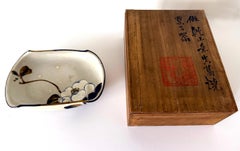
Japanese Ceramic Bowl Makuzu Kozan with Original Inscribed Box

Japanese Ceramic Bowl Makuzu Kozan with Original Inscribed Box

By Makuzu Kozan

Located in Atlanta, GA

A glazed ceramic shallow bowl with surface paint decoration by Japanese imperial potter Makuzu Kozan ((1842–1916) with its original inscribed tomobako storage wood box. Unlike the be...

Category

Early 1900s Japanese Antique Meiji Decorative Bowls

Materials

Ceramic

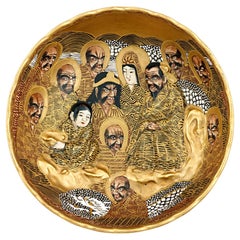
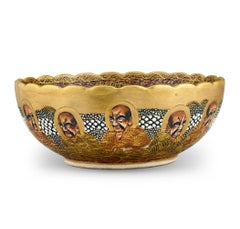
Satsuma Bowl of Immortals

Satsuma Bowl of Immortals

Located in New Orleans, LA

This highly detailed Satsuma bowl is adorned with Buddhist monks and signed “Hododa” on the underside. The columns on the underside read, “Satsuma” and “Hododa.” This represents the ...

Category

19th Century Japanese Antique Meiji Decorative Bowls

Materials

Gold

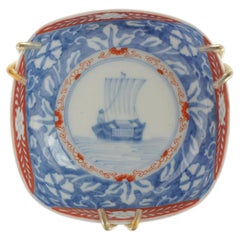
Antique Japanese Porcelain Meiji Period Arita Polychrome Bowl Ship 19th Century

Antique Japanese Porcelain Meiji Period Arita Polychrome Bowl Ship 19th Century

Located in Amsterdam, Noord Holland

Sharing with you this unusual and magnificent bowl from the Meiji period (19th century). It has a very interesting and lovely blue, red and gold scene Unmarked at the base. Addition...

Category

19th Century Japanese Antique Meiji Decorative Bowls

Materials

Porcelain

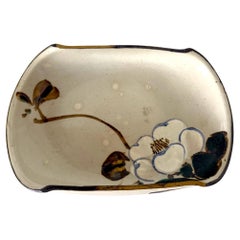
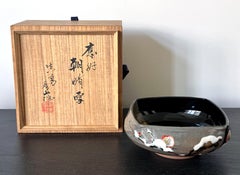
Rare Published Japanese Ceramic Bowl Makuzu Kozan with Original Inscribed Box

Rare Published Japanese Ceramic Bowl Makuzu Kozan with Original Inscribed Box

By Makuzu Kozan

Located in Atlanta, GA

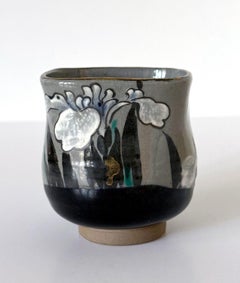
A rare published glazed ceramic bowl with surface paint decoration by Japanese imperial potter Makuzu Kozan ((1842–1916) with its original inscribed tomobako storage wood box. Unlike the better-known works Kozan made for the expositions in the west and export to the foreign market, this piece exemplifies his work for the domestic market and specifically, the tea ceremony. The bowl was made in the so called "Utusushi" Ogata Kenzan (1663-1743), a celebrated Edo painter and ceramicist. Utusushi is loosely translated as "in the spirit of". It is not at all a simple imitation of a master, but a Japanese concept of embracing the spiritual essence of a master while the creator is free to mix in his or her own unique artistic interpretation and flavor. The bowl was made to hold sweet cakes during the tea ceremony. It has a very distinguished form with a circular swelled lower body morphing into a square upper portion that further opening with flared rim. The surface has a distinct glaze pattern partitioned diagonally in black and brown. On top, snow-covered branches of prunus flowers were painted overglaze in a poetic near-abstract fashion. Blooming in winter, prunus flower is the symbol of the season and cherished for its resistance to cold. The bowl was likely reserved for the tea ceremony during the winter months. A white porcelain plaque with Kozan in black inlay was placed on the black glaze toward the bottom. Under the base, the bowl was further branded with two incised characters "Makuzu" as shown. The original tomobako bears ink inscription and paper slip label "Sweet Bowl...

Category

Early 1900s Japanese Antique Meiji Decorative Bowls

Materials

Ceramic

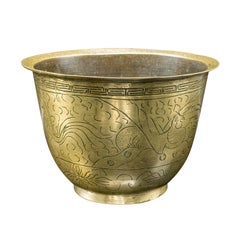
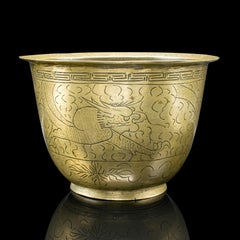
Antique Jardiniere Dish, Japanese, Meiji, Bronze, Decor, Planter Bowl, Victorian

Antique Jardiniere Dish, Japanese, Meiji, Bronze, Decor, Planter Bowl, Victorian

Located in Hele, Devon, GB

This is an antique jardiniere dish. A Japanese, a bronze Meiji era decorative planter bowl, dating to the late Victorian period, circa 1900. A fine example of Meiji-jidai artistry, s...

Category

Early 20th Century Japanese Meiji Decorative Bowls

Materials

Bronze

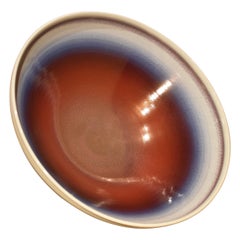
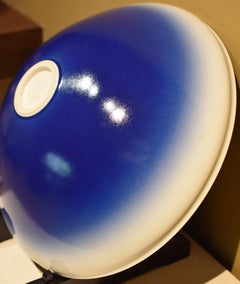
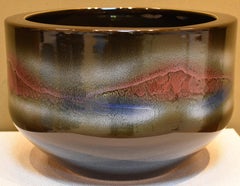
Japanese Contemporary Red Blue Hand-Glazed Porcelain Bowl by Master Artist, 2

Japanese Contemporary Red Blue Hand-Glazed Porcelain Bowl by Master Artist, 2

Located in Takarazuka, JP

Exquisite contemporary museum-quality hand-glazed decorative porcelain bowl in vibrant red, blue and white on a stunningly shaped body, an exhibition masterpiece by a master porcelai...

Category

21st Century and Contemporary Japanese Meiji Decorative Bowls

Materials

Porcelain

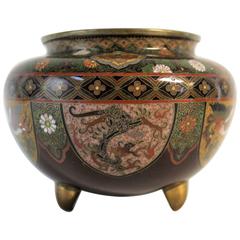
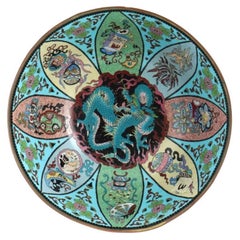
Large Antique Meiji Period Japanese Cloisonne Bowl with Blue Dragon

Large Antique Meiji Period Japanese Cloisonne Bowl with Blue Dragon

Located in Long Island City, NY

A highly decorative antique Japanese Meiji period bowl decorated with cloisonne enamel patterns. The interior of the bowl is adorned with several panels with traditional benevolent s...

Category

Late 19th Century Japanese Antique Meiji Decorative Bowls

Materials

Enamel

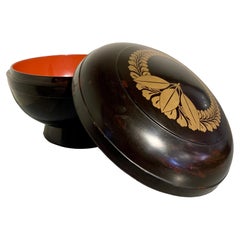
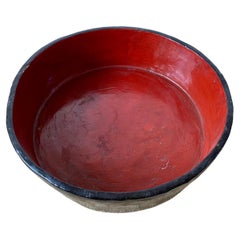
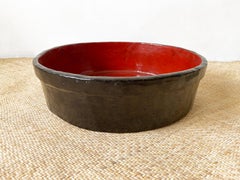
Large Japanese Red & Black Lacquer Wooden Bowl, Early 20th Century

Large Japanese Red & Black Lacquer Wooden Bowl, Early 20th Century

Located in Jimbaran, Bali

A Japanese red & black lacquer wooden bowl from the early 20th century. It is carved from a block of what is likely to be fruit wood. The bowl has aged beautifully over the years wit...

Category

Early 20th Century Japanese Meiji Decorative Bowls

Materials

Fruitwood, Lacquer

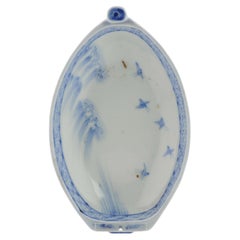
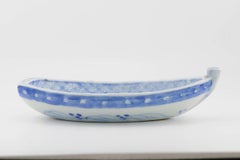
Antique Japanese Porcelain Meiji Period Arita Boat Shaped Blue And White Bowl

Antique Japanese Porcelain Meiji Period Arita Boat Shaped Blue And White Bowl

Located in Amsterdam, Noord Holland

Sharing with you this unusual and magnificent bowl from the Meiji period (19th century). It has a very interesting and lovely blue scene Unmarked at the base. Additional information...

Category

19th Century Japanese Antique Meiji Decorative Bowls

Materials

Porcelain

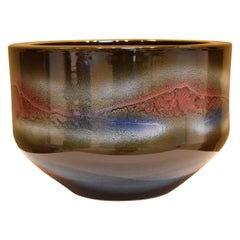
Japanese Contemporary Brown Blue Red Hand-Glazed Porcelain Vase by Master Artist

Japanese Contemporary Brown Blue Red Hand-Glazed Porcelain Vase by Master Artist

Located in Takarazuka, JP

Exquisite contemporary highly collectible large hand-glazed decorative porcelain vase, an exhibition masterpiece titled "Dawn" by master porcelain artist from the Arita-Imari region ...

Category

21st Century and Contemporary Japanese Meiji Decorative Bowls

Materials

Porcelain

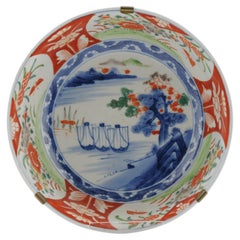
Large Antique Japanese Porcelain Meiji Period Polychrome Bowl, 19th Century

Large Antique Japanese Porcelain Meiji Period Polychrome Bowl, 19th Century

Located in Amsterdam, Noord Holland

Sharing with you this unusual and magnificent bowl from the Meiji period (19th century). It has a very interesting and lovely polychrome scene Unmarked at the base. Additional infor...

Category

19th Century Japanese Antique Meiji Decorative Bowls

Materials

Porcelain

Japanese Ceramic Teacup by Makuzu Kozan Meiji Period

Japanese Ceramic Teacup by Makuzu Kozan Meiji Period

By Makuzu Kozan

Located in Atlanta, GA

A small glazed ceramic teacup with surface paint decoration by Japanese imperial potter Makuzu Kozan ((1842–1916) with two tomobako storage wood boxes (likely later). Unlike the bett...

Category

Early 1900s Japanese Antique Meiji Decorative Bowls

Materials

Ceramic

Set of 3 Japanese Imari Graduated Porcelain Bowls

Set of 3 Japanese Imari Graduated Porcelain Bowls

Located in Lambertville, NJ

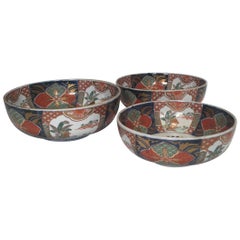
A rare set of three hand painted Imari porcelain graduated sized bowls with the same hand painted scenes and decoration on each. The large is 12 inches in diameter, with the medium 1...

Category

1880s Japanese Antique Meiji Decorative Bowls

Materials

Porcelain

Antique Woodblock Print Meiji Period, 19th Century

Antique Woodblock Print Meiji Period, 19th Century

Located in Amsterdam, Noord Holland

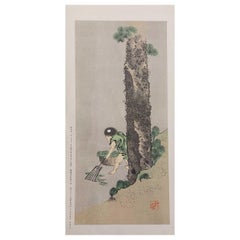
Antique 19th c Woodblock Print - Meiji Period 19th century, The painter is unknown so far. Additional information: Material: Paper Decoration Type / Colour: Polychrome Region of Ori...

Category

19th Century Japanese Antique Meiji Decorative Bowls

Materials

Paper

A pair of 19th C Japanese Meiji period miniature porcelain Kutani ware bowls

A pair of 19th C Japanese Meiji period miniature porcelain Kutani ware bowls

Located in Central England, GB

These superb miniature porcelain bowls originate from the Kutani region of Japan dating from the Meiji period circa 1880. They are superb examples of some of their finest workmanship...

Category

Late 19th Century Japanese Antique Meiji Decorative Bowls

Materials

Porcelain

Meiji decorative bowls for sale on 1stDibs.

Find a broad range of unique Meiji decorative bowls for sale on 1stDibs. Many of these items were first offered in the 21st Century and Contemporary, but contemporary artisans have continued to produce works inspired by this style. If you’re looking to add vintage decorative bowls created in this style to your space, the works available on 1stDibs include decorative objects, asian art and furniture and other home furnishings, frequently crafted with ceramic, metal and other materials. If you’re shopping for used Meiji decorative bowls made in a specific country, there are Asia, East Asia, and Japan pieces for sale on 1stDibs. While there are many designers and brands associated with original decorative bowls, popular names associated with this style include Hichozan, Imari Porcelain, and Konoike. It’s true that these talented designers have at times inspired knockoffs, but our experienced specialists have partnered with only top vetted sellers to offer authentic pieces that come with a buyer protection guarantee. Prices for decorative bowls differ depending upon multiple factors, including designer, materials, construction methods, condition and provenance. On 1stDibs, the price for these items starts at $290 and tops out at $15,000 while the average work can sell for $1,550.