Video Loading
Want more images or videos?
Request additional images or videos from the seller
1 of 14

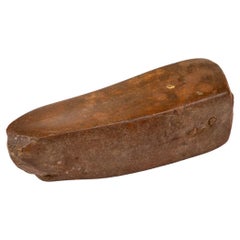
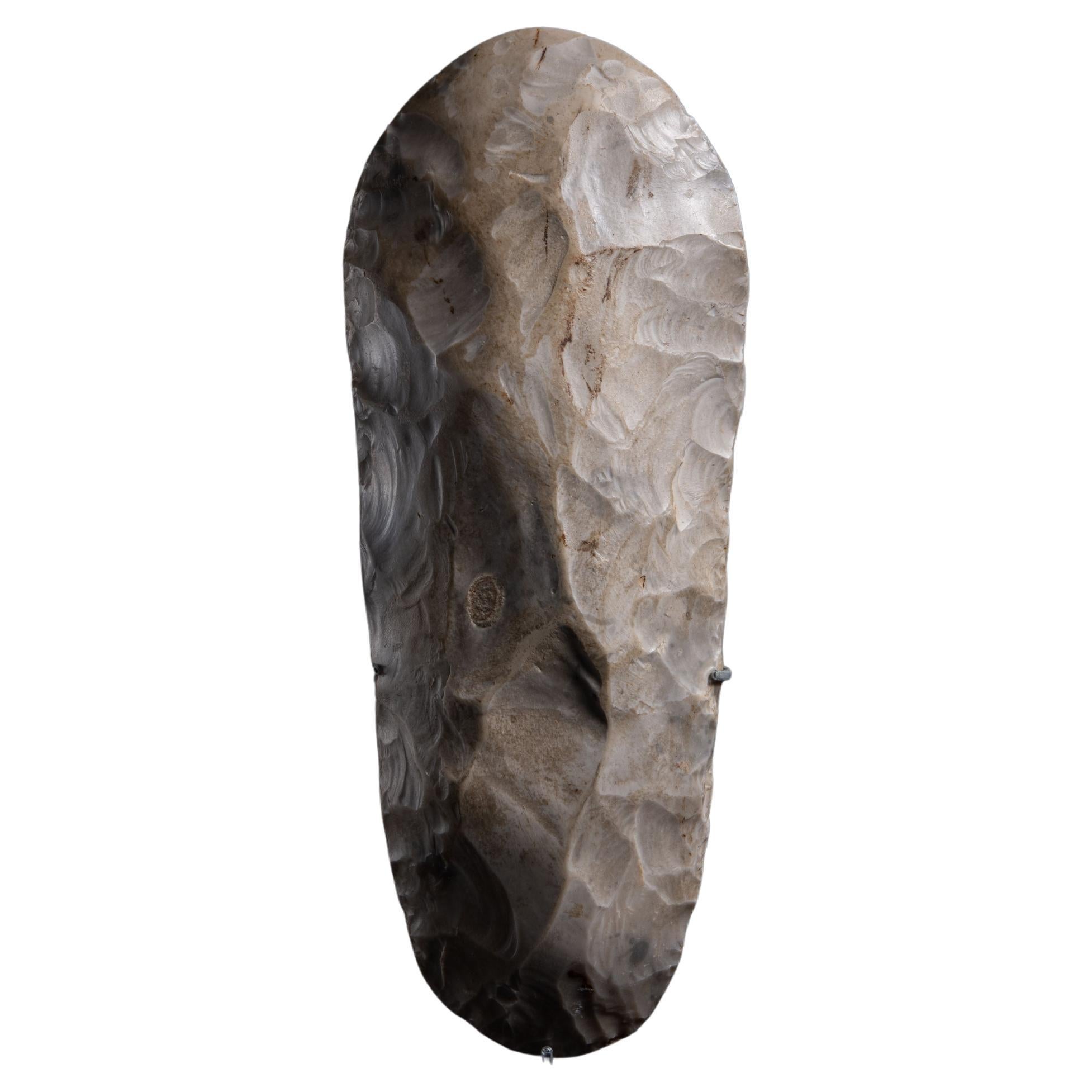
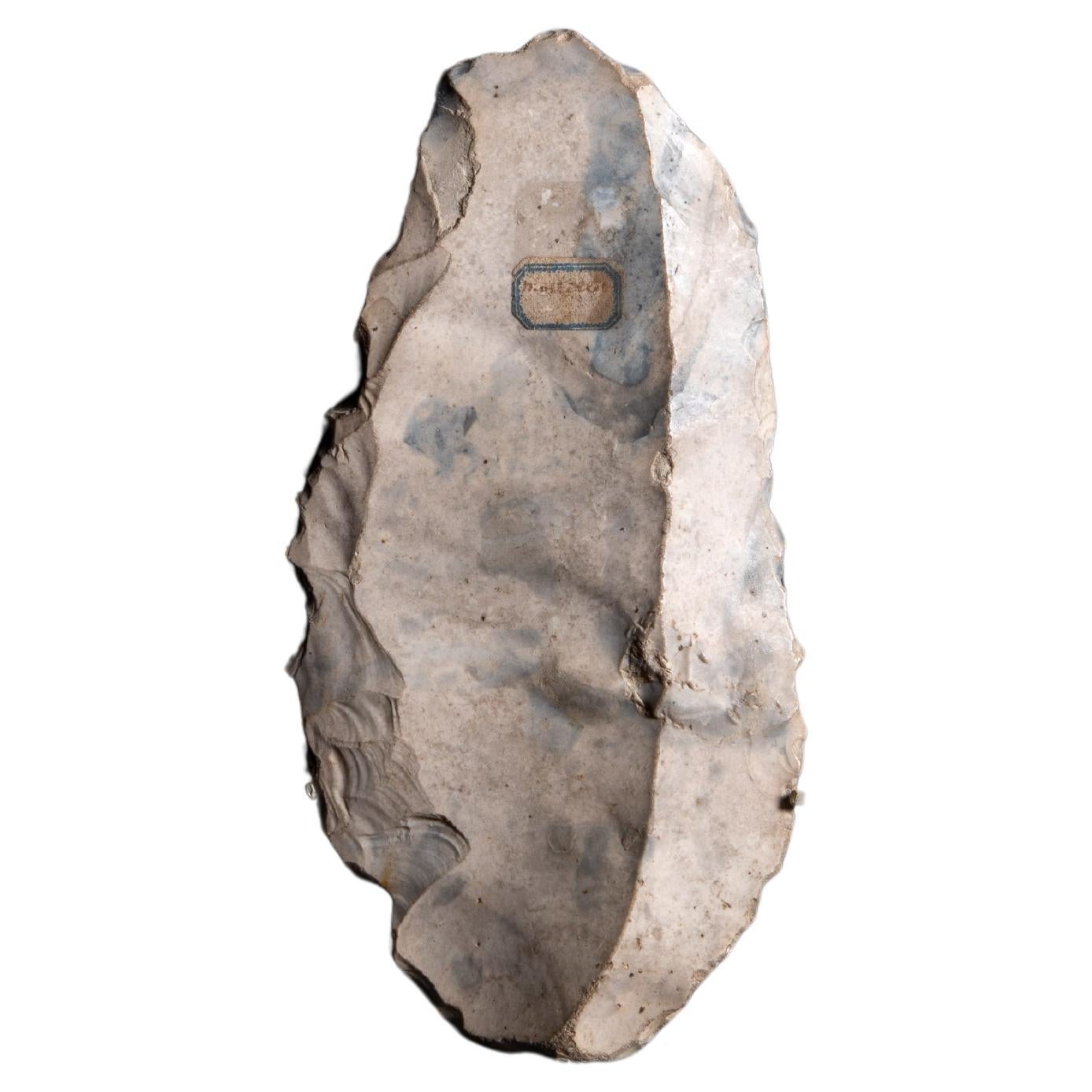
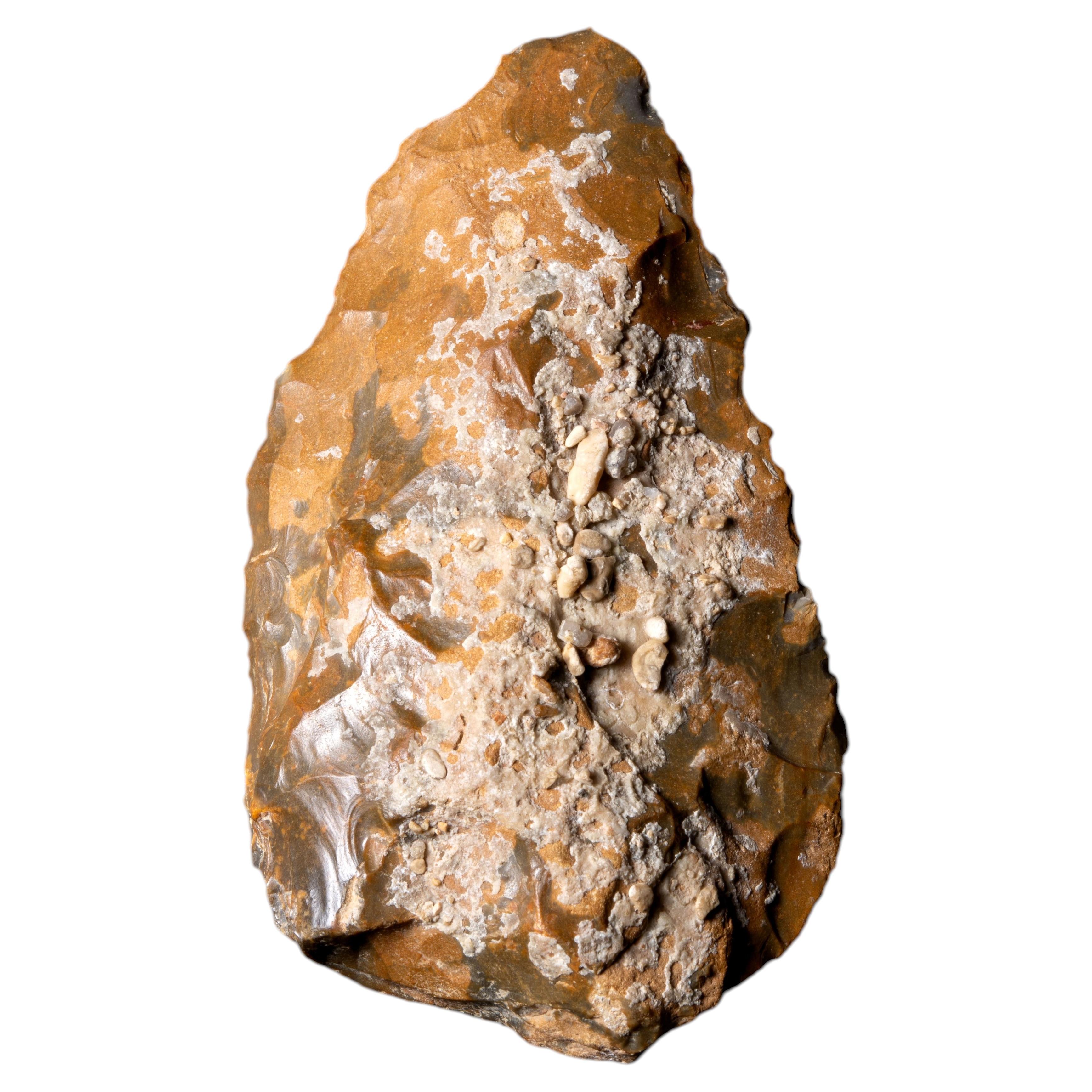
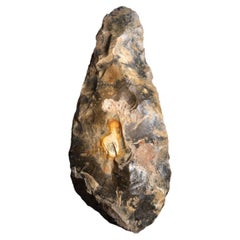
Palaeolithic Stone Tool made by our Early Ancestors, c.300000 - 700000 BC

$7,500
£5,608.09
€6,549.93
CA$10,537.49
A$10,673.92
CHF 6,128.74
MX$129,418.11
NOK 71,116.21
SEK 72,388.13
DKK 48,967.65

About the Item

A carefully-crafted stone tool, a particularly fine example of the first human technology, skilfully knapped from a flint nodule between 300,000 and 700,000 years ago. This leaf-shape or tear-drop form is an almost iconic representation of our early ancestors – Homo heidelbergensis – whose development of this multipurpose tool marked a major step in early human evolution. By chipping away at a nodule of flint with a hammerstone, the early hominin could produce a beautiful stone axe, with edges of glass-like sharpness, that could provide a crucial survival tool in the harsh, prehistoric environment. Lasting from c.1.7 million to c.100,000 years ago, this industry – known as the Acheulean – remains the most widespread and enduring human technology ever created. Knapped from a flint nodule, with a mottled, vibrant patina, it is undoubtedly an aesthetic object. Its simple form makes it a timeless and thought-provoking piece of prehistory that links mankind today to our early ancestors. Provenance Saint-Même-les-Carrières, Charente, Southwestern France (according to inscription and consistent with finds from this site). Collection of J [.] Duboe (according to inscription). Collection of Tony Berlant (b.1941), no.413. Exported from France under EU Licence 2023 DMF 1895. Published ArtAncient, Before Art, (Frieze Masters, 2023), No. 52. Exhibited ‘Before Art’, ArtAncient, Frieze Masters, London 2023 Condition Intact and unrestored with original surface sediments. Please note that this item is a work of art and is thus exempt from US reciprocal tariffs. ArtAncient are dealers in rare wonders from the formation of the Solar System to late antiquity, discovering, studying and placing objects in extraordinary collections. Please contact us for more details on this piece.
  • Dimensions:
    Height: 6.7 in (17 cm)Width: 3.71 in (9.4 cm)Depth: 2.76 in (7 cm)
  • Style:
    Prehistoric (Of the Period)
  • Materials and Techniques:
  • Place of Origin:
  • Period:
  • Date of Manufacture:
    Lower Palaeolithic, c.700,000 - 300,000 BC
  • Condition:
    Wear consistent with age and use.
  • Seller Location:
    London, GB
  • Reference Number:
    Seller: 430391stDibs: LU1052249397762

More From This Seller

View All
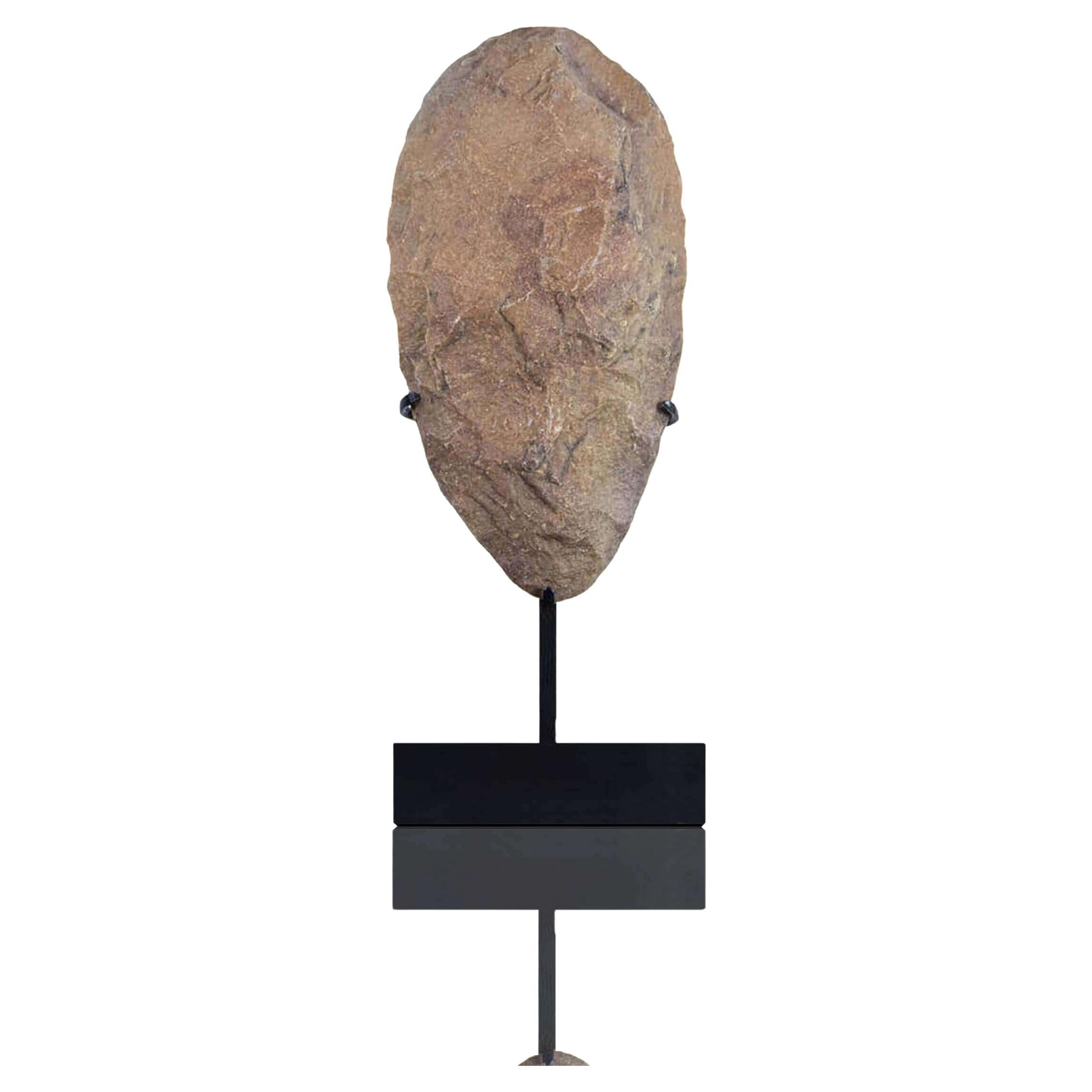
Prehistoric Stone Tool Sculpture made by Early Humans, 700000 years old

Prehistoric Stone Tool Sculpture made by Early Humans, 700000 years old

Located in London, GB

A large and beautifully preserved Palaeolithic flint hand axe, with a mottled, brown-orange patina, representing one of the earliest and most enduring forms of human technology. Exp...

Category

Antique 15th Century and Earlier French Prehistoric Antiquities

Materials

Stone
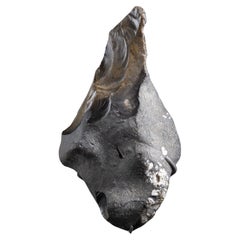
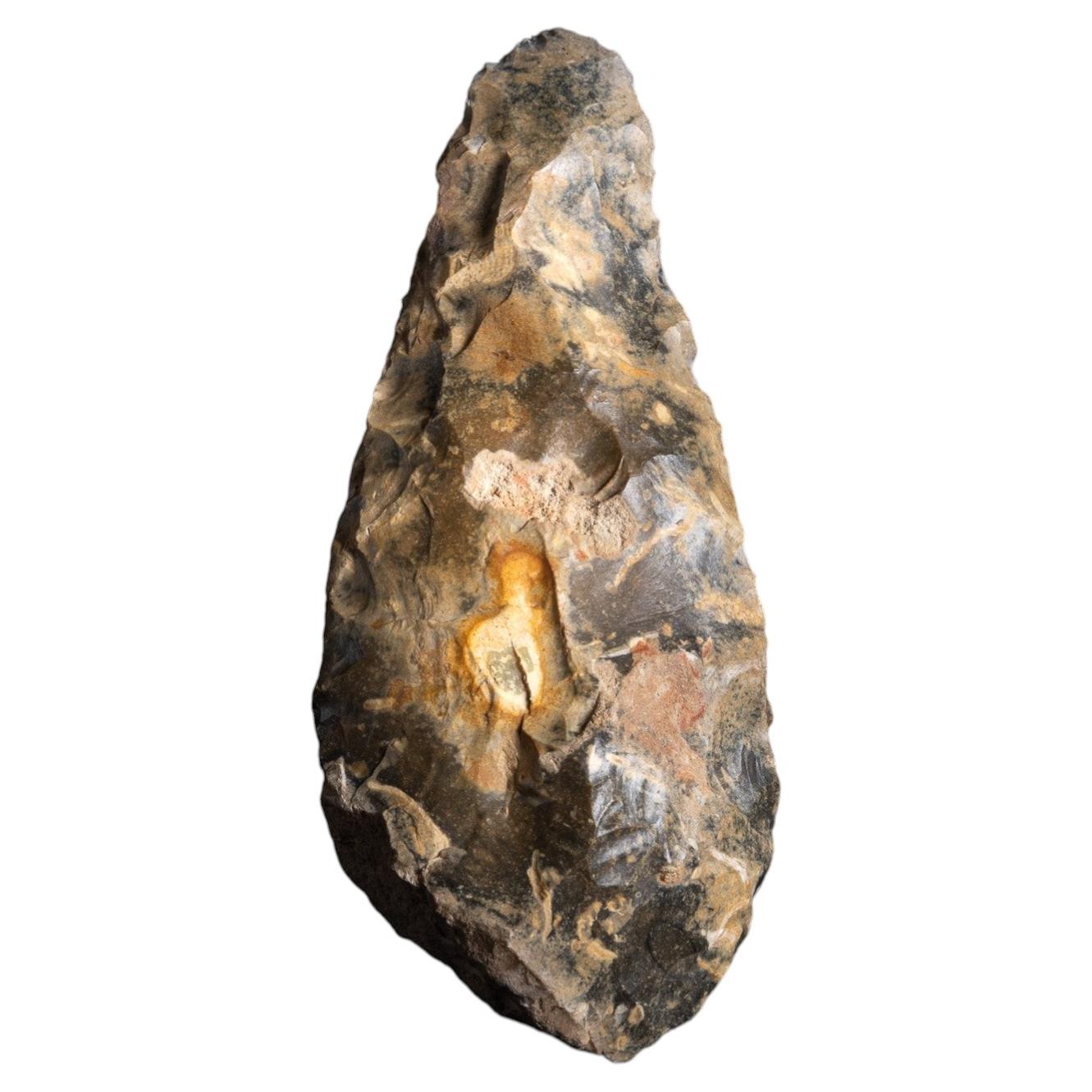
Dramatically Sculptural Stone Tool Crafted by Early Humans, c. 600000 BC

Dramatically Sculptural Stone Tool Crafted by Early Humans, c. 600000 BC

Located in London, GB

A dramatically sculptural example of the earliest human technology, the Acheulan hand axe, discovered in Walcott, a mile from the famed Palaeolithic site of Happisburgh. During this ...

Category

Antique 15th Century and Earlier British Prehistoric Antiquities

Materials

Stone
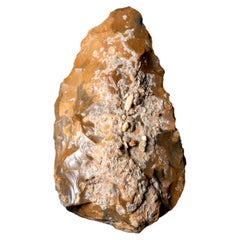
Exhibited and Published Palaeolithic Flint Handaxe, 700000-30000 BC

Exhibited and Published Palaeolithic Flint Handaxe, 700000-30000 BC

Located in London, GB

A finely worked exhibited and published hand axe, expertly fashioned from a flint core and representing one of the earliest forms of human technology. This elegant bifacial tool, cha...

Category

Antique 15th Century and Earlier French Prehistoric Antiquities

Materials

Stone
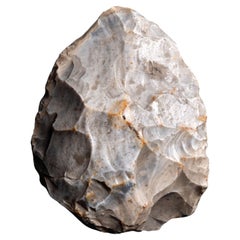
Sculptural Early Human Stone Tool, Neanderthal Hand Axe from Kent, England

Sculptural Early Human Stone Tool, Neanderthal Hand Axe from Kent, England

Located in London, GB

A beautifully preserved stone axe, crafted by our early ancestors from a flint nodule. Almost ionic of the Neanderthals of the Middle Palaeolithic, this technology - known as Levallo...

Category

Antique 15th Century and Earlier English Prehistoric Antiquities

Materials

Stone
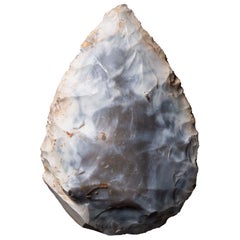
Stone Tool Created by Neanderthal Man with Cream-Blue Cloud-Like Patina

Stone Tool Created by Neanderthal Man with Cream-Blue Cloud-Like Patina

Located in London, GB

A beautifully preserved Neanderthal stone tool, crafted by our early ancestors from a piece of flint. Sleek and streamlined, with a beautifully variegated patina on one side and a mo...

Category

Antique 15th Century and Earlier French Prehistoric Antiquities

Materials

Stone
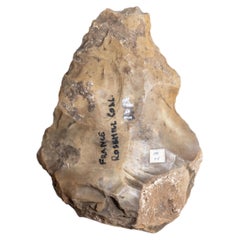
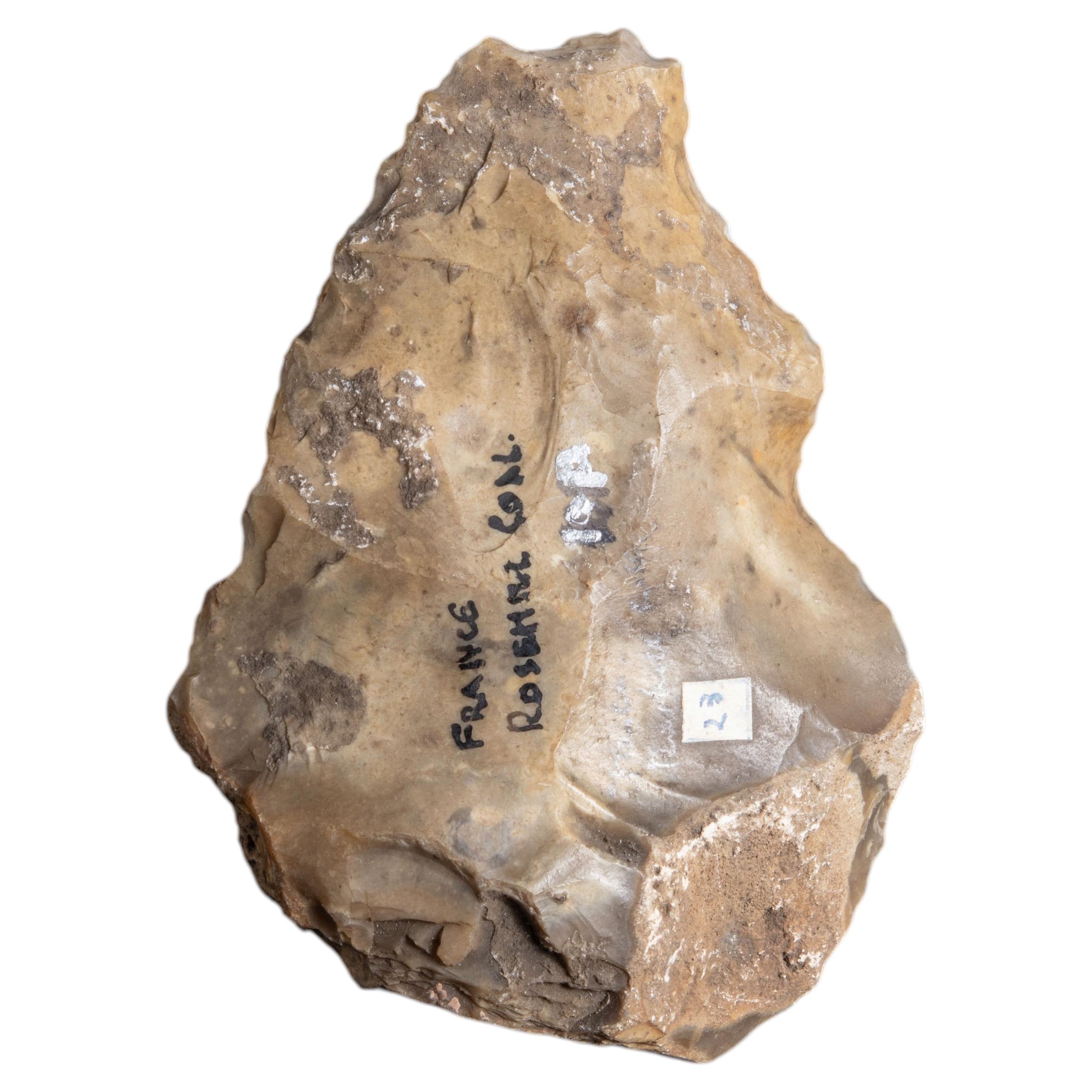
Palaeolithic Hand Axe made by Early Humans - ex-Rosehill Collection

Palaeolithic Hand Axe made by Early Humans - ex-Rosehill Collection

Located in London, GB

An attractive Palaeolithic hand axe – an iconic tool of our early ancestors from the Lower Palaeolithic, with an old inscription revealing its early collection history. This elegant...

Category

Antique 15th Century and Earlier French Prehistoric Natural Specimens

Materials

Stone

You May Also Like

Prehistoric Artefact Palaeolithic Acheulean Surmounted Hand Axe

Prehistoric Artefact Palaeolithic Acheulean Surmounted Hand Axe

Located in Scorton, GB

This superb Acheulean hand axe stands as a testament to the technological ingenuity of early hominins. Fashioned by Homo ergaster nearly one million years ago, it represents one of h...

Category

Antique 15th Century and Earlier Algerian Prehistoric Mounted Objects

Materials

Stone

bronze age ceremonial cup stone

bronze age ceremonial cup stone

Located in Vosselaar, BE

This peculiar archeological piece is described as a 'cup stone'. These cup marked stones have been found worldwide and been dated from 300.000 bc up to 1000 bc. The exact purpose of ...

Category

Antique 15th Century and Earlier Scandinavian Archaistic Mounted Objects

Materials

Stone

Prehistoric Hammer Stone Likely Comprised of Buff Grey Flint

Prehistoric Hammer Stone Likely Comprised of Buff Grey Flint

Located in York, GB

Provenance: Victor Brox Collection (1940 - 2023), UK Hammer stones were carved loosely in the round from hard and heavy rocks, before their surface was ‘pecked’ to create a myriad ...

Category

Antique 15th Century and Earlier French Antiquities

Materials

Stone

Neolithic Grinding Stone from Denmark, circa 3900 – 1700 BCE

Neolithic Grinding Stone from Denmark, circa 3900 – 1700 BCE

Located in Kastrup, DK

Grinding stone used for sharpening and polishing flint tools during the Stone Age. The surface is smooth and slightly curved, shaped through prolonged use. It was likely employed to ...

Category

Antique 15th Century and Earlier Danish Folk Art Antiquities

Materials

Stone

Fossil Bone Fragment, Pleistocene Epoch, Curved Shape, , 12.5 cm

Fossil Bone Fragment, Pleistocene Epoch, Curved Shape, , 12.5 cm

Located in Kastrup, DK

Fossil bone fragment from a larger prehistoric animal. Estimated to date from the Pleistocene epoch, approximately 1–2 million years old. The piece has been shaped in modern times, ...

Category

Antique 15th Century and Earlier Other Antiquities

Materials

Stone

Authentic Woolly Mammoth Tooth and Jaw Ice Age Fossil

Authentic Woolly Mammoth Tooth and Jaw Ice Age Fossil

Located in New York, NY

This authentic Woolly Mammoth tooth and jaw fossil offers a remarkable glimpse into the Ice Age. This specimen showcases the impressive structure and durability of one of prehistory’...

Category

2010s Russian Natural Specimens

Materials

Other