Video Loading
Want more images or videos?
Request additional images or videos from the seller
1 of 18

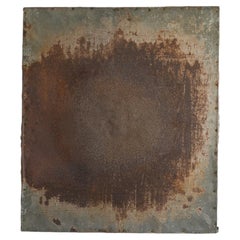
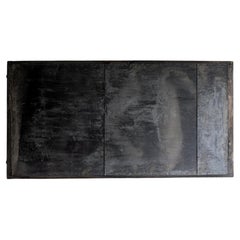
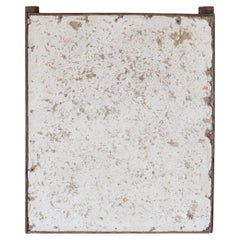
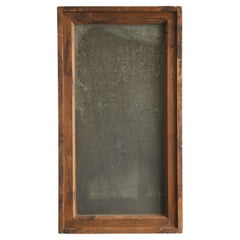
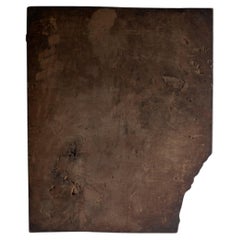
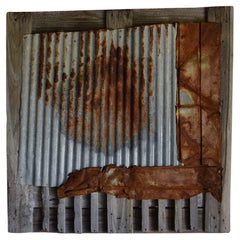
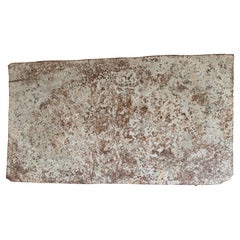
Old Japanese tin-covered iron plate / Showa era / Wall hanging wabi-sabi object

$1,000List Price

You May Also Like

Japanese vintage large industrial rusty iron wall decor - wabi sabi objet d'art

Japanese vintage large industrial rusty iron wall decor - wabi sabi objet d'art

Located in 常陸大宮市, JP

Vintage Industrial rusty iron wall decor - this large size iron plate had been used to mix the mortar on it for long time, naturally covered with rust ...

Category

Late 20th Century Japanese Industrial Furniture

Materials

Metal, Iron
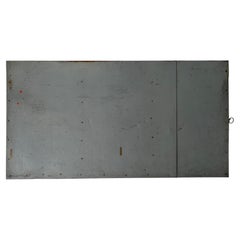
Japanese Anthique Minimalist Abstract Art Tin Panel・ 1900`s Wabi-sabi Wall Art

Japanese Anthique Minimalist Abstract Art Tin Panel・ 1900`s Wabi-sabi Wall Art

Located in 足利市, JP

A striking minimalist found-object wall panel from 20th-century Japan: an authentic vintage Amado (storm door) sheet metal panel, subtly reinterpreted through the Japanese art of Mit...

Category

Early 20th Century Japanese Minimalist Decorative Art

Materials

Tin

Japanese Antique Iron Plate Door 1860s-1900s / Low Table Sofa Table Wabi Sabi

Japanese Antique Iron Plate Door 1860s-1900s / Low Table Sofa Table Wabi Sabi

Located in Chōsei District Nagara, JP

This is an iron plate sliding door made in Japan. It is a rare door made in the Meiji period (1860s-1900s), and the craftsmanship of the time still lives on today. The structure is m...

Category

Early 20th Century Japanese Meiji Doors and Gates

Materials

Iron

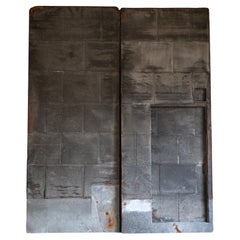
Antique Japanese tin clad tall & thick huge sliding doors, wabi sabi primitive

Antique Japanese tin clad tall & thick huge sliding doors, wabi sabi primitive

Located in 常陸大宮市, JP

A pair of tall, thick and huge antique wooden sliding doors covered with tin-coated iron sheet panels. These types of doors were used at the gate / entrance of western-influenced la...

Category

Antique Late 19th Century Japanese Meiji Doors and Gates

Materials

Metal, Tin, Iron

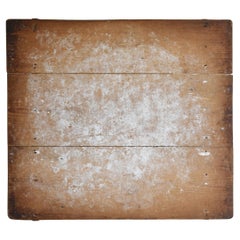
Japanese Antique Wooden Board Wall Decoration 1860s-1900s / Wabisabi

Japanese Antique Wooden Board Wall Decoration 1860s-1900s / Wabisabi

Located in Chōsei District Nagara, JP

This is an antique Japanese work board. Despite its simple form, it possesses a powerful presence, bringing a quiet tension and deep sense of depth to any space. It is estimated to ...

Category

Early 20th Century Japanese Meiji Decorative Art

Materials

Cedar

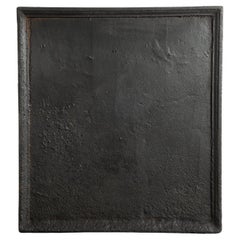
Antique Cast Iron Fireback / Backsplash

Antique Cast Iron Fireback / Backsplash

$3,335

H 35.44 in W 32.29 in D 0.99 in

Antique Cast Iron Fireback / Backsplash

Located in Haarlem, Noord-Holland

A beautifully crafted cast iron fireback, ideal for use as a functional fireplace insert or as a striking backsplash above a modern cooktop. Dating from the late 18t C. this piece f...

Category

Antique 18th Century Fireplaces and Mantels

Materials

Iron

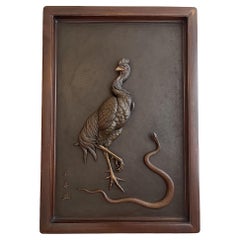
19th Century Japanese Iron and Mixed Metal Wall Panel

19th Century Japanese Iron and Mixed Metal Wall Panel

$39,000Sale Price|20% Off

H 29 in W 27 in D 2 in

19th Century Japanese Iron and Mixed Metal Wall Panel

Located in North Miami, FL

A rare Meiji period 1868-1912 iron and mixed metal panel by a highly important early Meiji period artist. The ironwork panel housed within its original hardwood frame depicts the charming subject of a roaster fighting with snake, this particular early Meiji period panel demonstrates all the skills of a leading Mito school metalworker more used to making tsuba and sword fittings for the shogunate and now adapting his unique skills to satisfy the emerging western market, the naive charm and inspiration for this study is probably from an earlier Japanese or even Chinese painting, artists with such breathtaking metalworking skills as this artist could simply replace an artists paintbrush...

Category

Antique 19th Century Japanese Meiji Decorative Art

Materials

Metal, Brass, Bronze, Iron

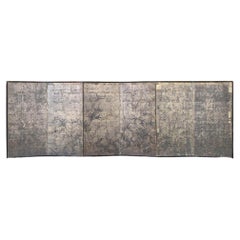
Evolving Elegance: An Oxidized Silver Screen from the Meiji Period

Evolving Elegance: An Oxidized Silver Screen from the Meiji Period

Located in Fukuoka, JP

This anodized 6-panel screen captures the serene and minimalistic beauty of a bamboo grove, embodying the aesthetic principles of the Edo period. The screen features subtle and delic...

Category

Antique 18th Century Japanese Edo Paintings and Screens

Materials

Silver Leaf

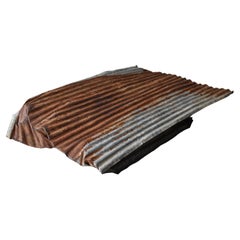
Japanese Old Galvanized Iron 1920s-1940s / Abstract Art Object Wabisabi

Japanese Old Galvanized Iron 1920s-1940s / Abstract Art Object Wabisabi

$720Sale Price|28% Off

H 7.88 in W 38.59 in D 26.38 in

Japanese Old Galvanized Iron 1920s-1940s / Abstract Art Object Wabisabi

Located in Chōsei District Nagara, JP

This is an old Japanese tin. It has been lying in this condition in an old warehouse for many years. Judging from the texture and feel, it is estimated to have been manufactured in t...

Category

Mid-20th Century Japanese Showa Metalwork

Materials

Tin

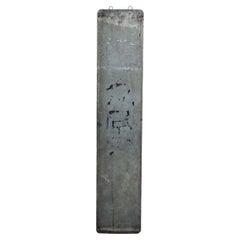
Japanese Antique signs, Abstract Art, Wabi-Sabi, Mingei

Japanese Antique signs, Abstract Art, Wabi-Sabi, Mingei

$1,000

H 70.08 in W 14.18 in D 1.38 in

Japanese Antique signs, Abstract Art, Wabi-Sabi, Mingei

Located in Katori-Shi, 12

This is a wooden signboard that was used during the Taisho period. Years of use and aging have given it a beautiful abstract appearance. You can hang it on the wall and enjoy it lik...

Category

Early 20th Century Japanese Taisho Antiquities

Materials

Wood

More From This Seller

View All
Antique Japanese Wall-mounted object / Rusted tin wall art / Meiji-Showa / OB336

Antique Japanese Wall-mounted object / Rusted tin wall art / Meiji-Showa / OB336

Located in Sammu-shi, Chiba

This is a tool once used in Japan called a hoiro, a device used to knead and dry tea leaves after they had been steamed. It is believed to date from the Meiji to early Showa period a...

Category

Early 20th Century Japanese Taisho Decorative Art

Materials

Tin

Japanese Antique Tin Door "Wall Decoration" 1860s-1900s / Wabi Sabi

Japanese Antique Tin Door "Wall Decoration" 1860s-1900s / Wabi Sabi

By Axel Vervoordt

Located in Sammu-shi, Chiba

This is an antique Japanese tin-covered door, believed to date from the late Edo period to the Meiji period, circa 1860s to 1900s. It is constructed with a wooden frame covered with...

Category

Early 20th Century Japanese Meiji Decorative Art

Materials

Iron

Antique Door "Wall Decoration"  from Japan 1860s-1900s / Abstract Art Wabi Sabi

Antique Door "Wall Decoration" from Japan 1860s-1900s / Abstract Art Wabi Sabi

Located in Sammu-shi, Chiba

This was a very old Japanese warehouse (kura) window sliding door. It was made during the Meiji period (1860s-1900s). The frame is made of cedar wood, and the base is hardened with s...

Category

Early 20th Century Japanese Meiji Decorative Art

Materials

Cedar

Japanese Tin Plate Frame / Circa 20th Century / Like an Abstract Painting

Japanese Tin Plate Frame / Circa 20th Century / Like an Abstract Painting

Located in Sammu-shi, Chiba

When I first saw it, I felt that this was at once a tool and already something like a single painting. Its composition is extremely simple, consisting only of an old sheet of tin set...

Category

20th Century Japanese Showa Decorative Art

Materials

Tin

Japanese antique wooden panel /wall hanging board / 1868-1920 / Wabi sabi

Japanese antique wooden panel /wall hanging board / 1868-1920 / Wabi sabi

Located in Sammu-shi, Chiba

This is a large and highly imposing antique work board believed to have been made in Japan during the Meiji to Taisho period, circa 1868 to 1920. The material appears to be hardwoods...

Category

Antique Late 19th Century Japanese Meiji Decorative Art

Materials

Chestnut

Japanese Wall Art / Japanese objet / wabi-sabi art / primitive wall art

Japanese Wall Art / Japanese objet / wabi-sabi art / primitive wall art

Located in Sammu-shi, Chiba

This is a wall art made using some of the material from an old Japanese door. This is a wooden door reinforced with galvanized iron sheets. It's a convenient size that doesn't take...

Category

2010s Japanese Primitive Antiquities

Materials

Tin