By Kimono ikasu, Lena Okamoto
Located in Setagaya City, JP
Certified Kimono Meister work / Certificate of Authenticity included.
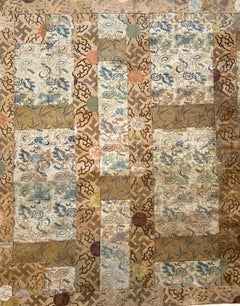
One-of-a-kind Japanese textile art made from vintage obi fabrics.
Sustainable artwork for modern interiors, collectors, boutique hotels, and lovers of Japanese aesthetics.
[Story behind the work]
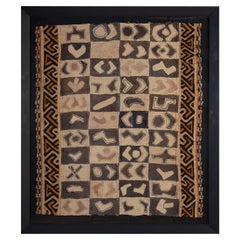
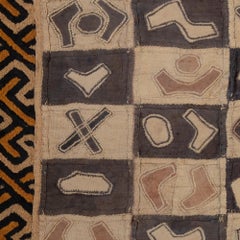
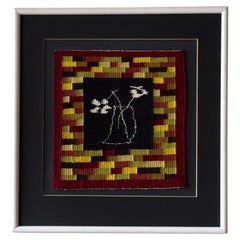
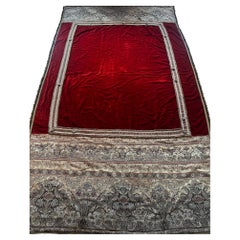
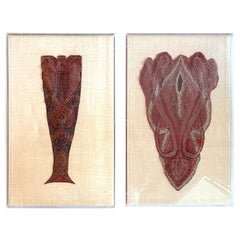
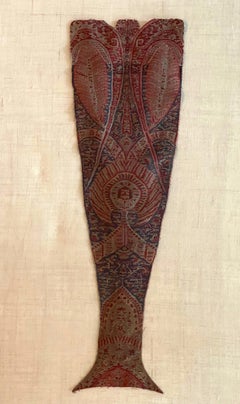
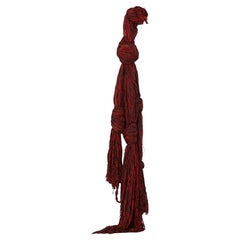
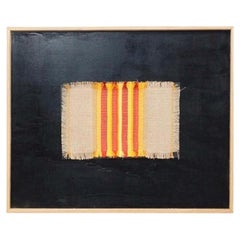
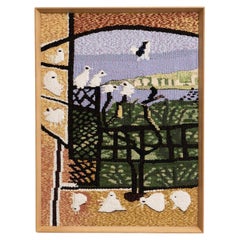
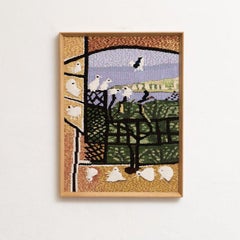
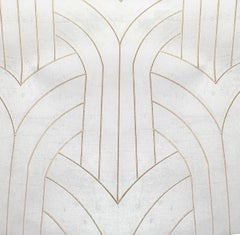
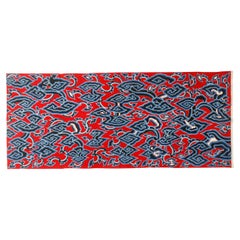
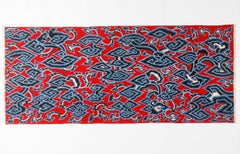
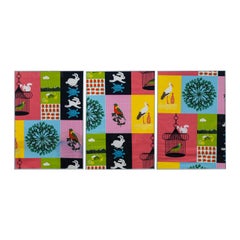
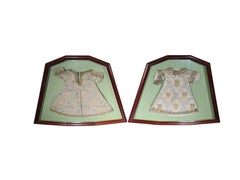
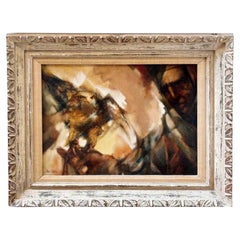
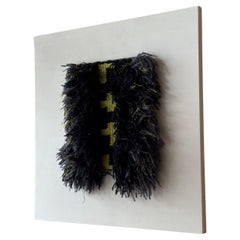
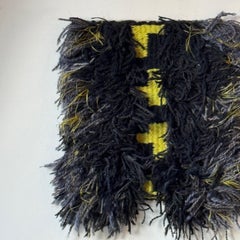
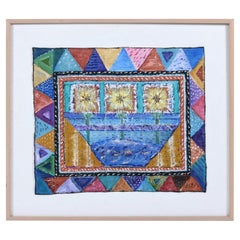
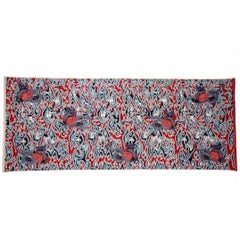
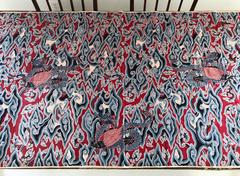
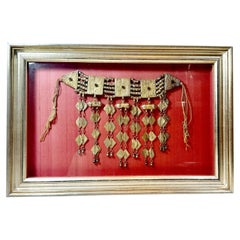
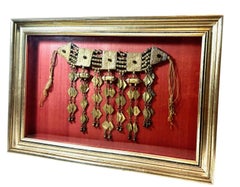
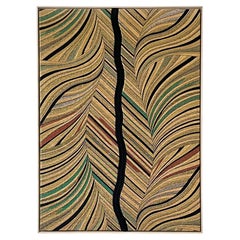
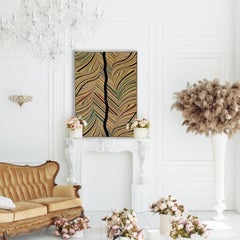
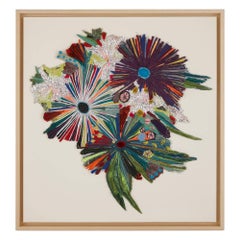
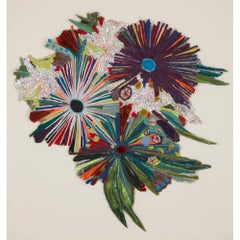
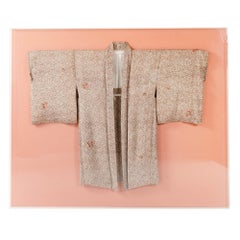
This work uses a vintage obi dated around 1980ies, with a feather motif, and arranges it so that it looks like a vase.
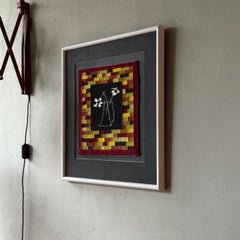
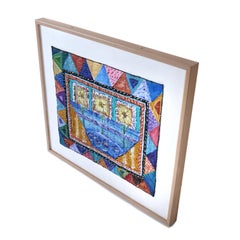
Antique obi, just as it is a broken vase, is united back again with black obijime - a string used to tie up obi when it’s worn. Framed in kiritansu (antique chest) paulownia wood.
It is elegantly framed with paulownia wood originally used for kimono chest-of-drawers, and is filled with storytelling and sense of luxury.
I used pieces of kimono that could no longer be used as clothing and kiritansu chest-of-drawers that would normally be discarded to create the ultimate upcycled piece.
[Explanation and meaning of pattern and colors]
Feathers hold various meanings and symbolism in Japanese traditional culture, often reflecting themes of spirituality, symbolism, and folklore. Here are some of the meanings associated with feathers in Japanese tradition:
・Divine Protection: Feathers are often seen as symbols of divine protection and spiritual guidance. Feathers, especially those from birds, are considered to be imbued with the protective energy, offering spiritual guardianship and safeguarding against negative forces.
・Connection to the Spirit World: Feathers are sometimes associated with the spirit world and the realm of the divine. In folklore and mythology, feathers are depicted as messengers between the earthly realm and the celestial realms.
・Symbol of Beauty and Elegance: Feathers are admired for their natural beauty, grace, and elegance. In traditional Japanese arts such as Noh theater, Kabuki, and dance performances like Kagura, actors and performers often use feathered costumes or accessories to enhance their appearance and convey a sense of refinement and sophistication.
・Sign of Good Luck and Prosperity: In Japanese folklore, certain birds like cranes and pheasants are considered symbols of good fortune, longevity, and prosperity. Feathers from these birds are often depicted in art and craftwork as auspicious symbols believed to bring blessings and positive energy to the bearer.
[About the frame]
Kiritansu - chest-of-drawers for kimono, is traditionally made from paulownia wood, a uniquely Japanese material closely tied to the world of kimonos.
Paulownia wood is known as the lightest wood in Japan, prased for its natural luster, resistance to moisture, and resilience against cracking. Since ancient times, it has been used in crafting furniture, chests, and musical instruments.
During the Edo period, it became customary to store cherished kimonos in paulownia chests...
Category
1980s Japanese Japonisme Vintage Textile Wall Decorations
MaterialsString, Composite, Reclaimed Wood, Yarn, Thread, Textile, Fabric, Wood, ...