Art by Medium: Engraving

to
556
2,781
892
814
244
156
Overall Width
to
Overall Height
to
1,093
946
2,268
656
36
153
184
164
121
179
176
424
172
190
781
736
656
341
331
319
113
71
35
26
20
13
9
4
2
2,740
2,023
94
2,410
1,154
1,070
749
669
537
397
354
266
221
204
184
175
165
146
144
115
114
111
109
4,963
187,479
99,475
82,277
79,559
268
91
75
69
67
824
979
2,701
1,835
Medium: Engraving
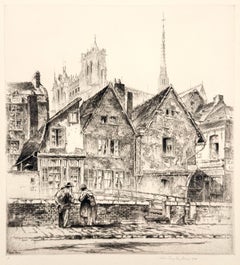
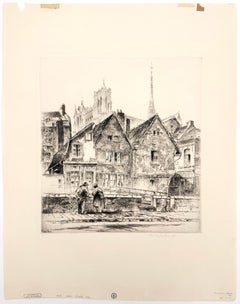
Amiens; The Cathedral of Notre Dame, from the Lower Town

Amiens; The Cathedral of Notre Dame, from the Lower Town

By John Taylor Arms

Located in Middletown, NY

A superb impression from the artist's own collection. Etching with drypoint on watermarked FJ Head & Co. handmade laid paper, 10 3/4 x 9 7/8 inches (272 x 252 mm); sheet 18 1/8 x 14 ...

Category

Early 20th Century American Modern Art by Medium: Engraving

Materials

Handmade Paper, Laid Paper, Etching, Drypoint

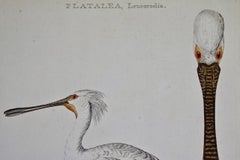
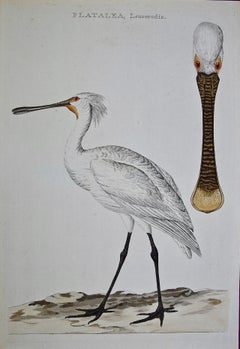
Spoonbill "Platalea leucorodia": An 18th Century Hand-colored Nozeman Engraving

Spoonbill "Platalea leucorodia": An 18th Century Hand-colored Nozeman Engraving

This a rare 18th century hand-colored large folio-sized copperplate engraving entitled "Platalea leucorodia" (Spoonbill) by Cornelius Nozeman in volume II of his publication 'Nederlandsche Vogelen', engraved by Christiaan Sepp or his son Jan Christiaan Sepp, published in Amsterdam in 1770. This engraving depicts a Platalea leucorodia Spoonbill, a large bird that lives mainly in Europe, Asia and Africa. It commonly migrates long distances on thermal air currents from the colder Northern European climates to Sub-Saharan Africa in the winter, sometimes as far long as Finland to South Africa. The Asian black stork...

Category

1780s Naturalistic Art by Medium: Engraving

Materials

Engraving

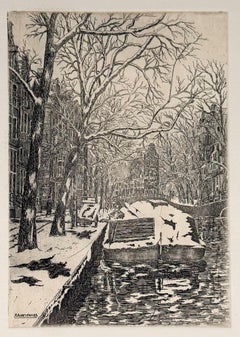
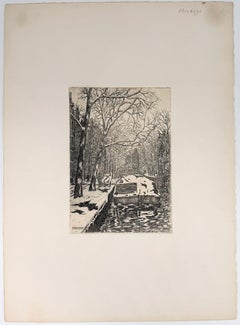
Reguliersracht during winter, Amsterdam

Reguliersracht during winter, Amsterdam

Located in Middletown, NY

Etching with drypoint on cream wove paper with a deckle edge, 6 7/8 x 4 7/8 inches (200 x 125 mm); sheet 15 x 11 inches (380 x 280 mm), full margins. In excellent condition with mino...

Category

Early 20th Century Dutch School Art by Medium: Engraving

Materials

Drypoint, Etching

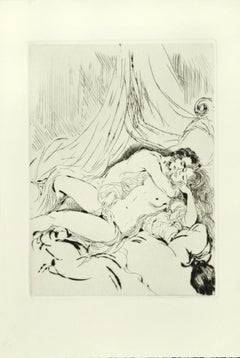
Erotic Scene - Héliogravure by Micheal Von Zichy - 1911

Erotic Scene - Héliogravure by Micheal Von Zichy - 1911

By Micheal Von Zichy

Located in Roma, IT

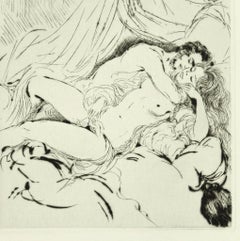
Erotic scene is an original Héliogravure artwork on ivory-colored paper, realized by Micheal Von Zichy in 1911. Printed in only 300 copies, Leipzig; Privatdruck, from the Catalogue "Liebe" (Dear), Text in German on the plate, The drawing created unusually bold erotic subjects through deft strokes. Good conditions. Mihály Zichy...

Category

1910s Modern Art by Medium: Engraving

Materials

Paper, Engraving

William Hamilton Classical Greek Vase-Painting Engraving

William Hamilton Classical Greek Vase-Painting Engraving

By Pierre Francois Hugues D'Hancarville (author)

Located in Melbourne, Victoria

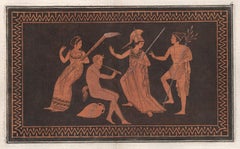
Subject : Ancient Greek vase-painting depicting the contest between Apollo (laurel-crowned) and Marsyas (with flute) witnessed by Artemis and Athena. Technique : Copper-line engrav...

Category

Early 1800s Other Art Style Art by Medium: Engraving

Materials

Engraving

The Doorway.
The Doorway.

The Doorway.

By James McBey

Located in Plano, TX

Hardie/Carter 244. 8 1/16 x 6 3/8 (sheet 10 1/4 x 8 1/4). Edition 80, #52. Illustrated: Guichard, British Etchers, 1850-1940; ; Eric Denker, Reflections & Undercurrents: Ernest Roth ...

Category

Early 20th Century Modern Art by Medium: Engraving

Materials

Drypoint, Etching

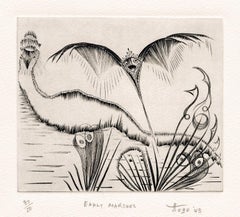
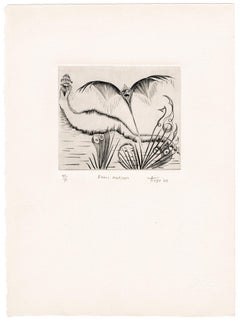
'Early Marshes' — Mid-Century Surrealism, Atelier 17

'Early Marshes' — Mid-Century Surrealism, Atelier 17

By Ian Hugo

Located in Myrtle Beach, SC

Ian Hugo, 'Early Marshes', from the portfolio 'Ten Engravings'. engraving, 1943, edition 50. Signed, dated, titled, and numbered '37/50' in pencil. A fine impression, with delicate overall plate tone, on cream wove paper, the full sheet with margins (2 5/8 to 7 inches), in excellent condition. With the blind stamp 'madeleine-claude jobrack EDITIONS', in the bottom right margin. Matted to museum standards, unframed. Image size 5 x 5 7/8 inches (127 x 149 mm); sheet size 15 x 11 inches (381 x 279 mm). Ian Hugo originally created "Ten Engravings" in 1945 and the portfolio included a foreword by his partner and collaborator, Anais Nin. In 1978, Hugo republished the portfolio with Madeleine-Claude Jobrack, an American master printmaker who studied under Stanley William Hayter at Atelier 17, Paris, and with Johnny Friedlaender. When Jobrack returned to the States she managed the Robert Blackburn Printmaking Studio in New York before opening her own printing studio, Madeleine-Claude Jobrak Editions. “The sign of the true artist is one who creates a complete universe, invents new plants, new animals, new figures to transfer to us a new vision of the universe in which dream and reality fuse. Ian Hugo's plants have eyes, the birds have the delicacy of dragonflies, their feathers have the shape of fans. Humor is apparent in every gesture. He uses a fine spider web to give a feeling of flight, speed, lightness. The body of a woman reveals the structure of a leaf, a plant. Wings are moving in a world unified by mythological themes. This is an animated world, humorous and levitating, elusive and decorative, which by its unique forms and shapes gives us the sensation of a rebirth, a liberation from the usual, the familiar, a visit to a new planet.” —Anais Nin, from the forward to the portfolio ‘Ten Engravings’ ABOUT THE ARTIST Ian Hugo was born Hugh Parker Guiler in Boston, Massachusetts, on February 15, 1898. His childhood was spent in Puerto Rico—a "tropical paradise," the memory of which stayed with him and surfaced in both his engravings and his films. He attended school in Scotland and graduated from Columbia University where he studied economics and literature. Hugo was working with the National City Bank when he met and married author Anais Nin in 1923. The couple moved to Paris the following year, where Nin's diary and Guiler's artistic aspirations flowered. Guiler feared his business associates would not understand his interests in art and music, let alone those of his wife, so he began a second, creative life as Ian Hugo. Ian and Anais moved to New York in 1939. The following year he took up engraving and etching, working at Stanley William Hayter’s experimental printmaking workshop Atelier 17, established at the New School for Social Research. Hugo began producing surreal images often used to illustrate Nin's books. For Nin, his unwavering love and financial support were indispensable—Hugo was the "fixed center, core... my home, my refuge" (Sept. 16, 1937, Nearer the Moon, The Unexpurgated Diary of Anais Nin, 1937-!939). Fictionalized portraits of Higo and Nin appear in Philip Kaufman's 1990 film drama of a literary love triangle, Henry & June. Inspired by comments that viewers saw motion in his engravings, Hugo took up filmmaking. He asked the avant-garde filmmaker Sasha Hammid for instruction but was told, "Use the camera yourself, make your own mistakes, make your own style." Hugo embarked on an exploration of the film medium as a vehicle to delve into his dreams, his unconscious, and his memories. Without a specific plan, He would collect resonant images, then reorder or superimpose them, seeking a sense of self-connection through the poetic juxtapositions he created. These intuitive explorations resembled the mystical evocations of his engravings, which he described in 1946 as "hieroglyphs of a language in which our unconscious is trying to convey important, urgent messages." In the underwater world of his film ‘Bells of Atlantis,’ the light originates from the world above the surface; it is otherworldly, out of place, yet essential. In ‘Jazz of Lights,’ the street lights of Times Square become in Nin's words, "an ephemeral flow of sensations." This flow that she also calls "phantasmagorical" had a crucial impact on Stan Brakhage, who said that without Jazz of Lights (1954), "there would have been no Anticipation of the Night" his autobiographical film which ushered in a new era of experimental modernist filmmaking. Hugo lived the last two decades of his life in a New York apartment high above street level. In the evenings, surrounded by an electrically illuminated man...

Category

1940s Surrealist Art by Medium: Engraving
Materials

Engraving

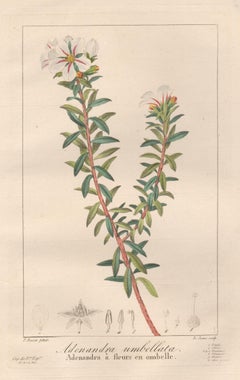
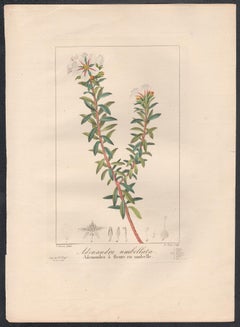
Adenandra umbellata - French botanical flower engraving by Bessa, c1830

Adenandra umbellata - French botanical flower engraving by Bessa, c1830

By After Pancrace Bessa

Located in Melbourne, Victoria

'Adenandra umbellata' Original copper-line engraving with original hand-colouring. From 'Herbier general de l'amateur' by Jean Louis Auguste Loiseleur-Deslongchamps & Jean Claude M...

Category

Early 19th Century Naturalistic Art by Medium: Engraving

Materials

Engraving

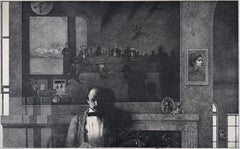
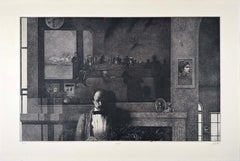
Daylilies, by Peter Milton

Daylilies, by Peter Milton

By Peter Milton

Located in Palm Springs, CA

Peter Milton’s Daylilies is a haunting meditation on memory, mortality, and the layered complexity of personal and cultural history. Like much of Milton’s work, the print operates le...

Category

1990s Contemporary Art by Medium: Engraving

Materials

Engraving, Etching

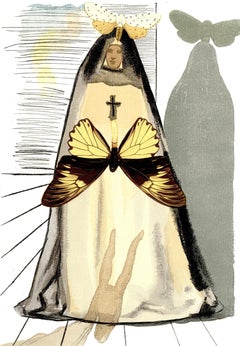
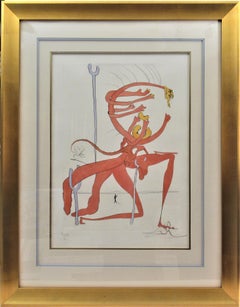
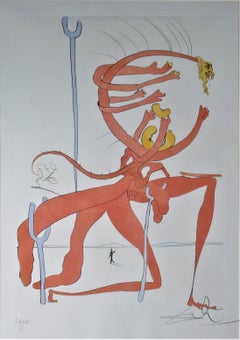
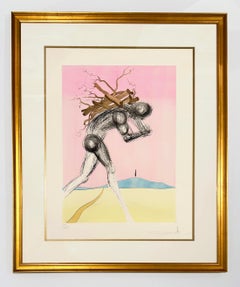
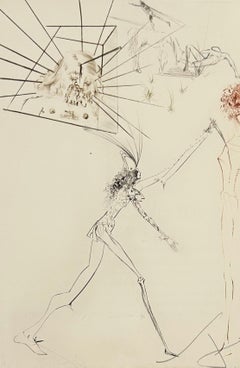
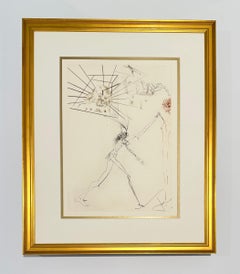
Figure Rouge avec Portrait de Quevedo

Figure Rouge avec Portrait de Quevedo

By Salvador Dalí­

Located in San Francisco, CA

This artwork titled "Figure Rouge avec Portrait de Quevedo" from the suite, Visions De Quevedo, 1975. is an original engraving with pochoir hand coloring on Richard de Bas paper, by ...

Category

1970s Surrealist Art by Medium: Engraving
Materials

Engraving

Pablo Picasso, L'Abreuvoir from La Suite Saltimbanques

Pablo Picasso, L'Abreuvoir from La Suite Saltimbanques

By Pablo Picasso

Located in Chatsworth, CA

This piece is an original drypoint created by Pablo Picasso in 1905 and printed by Ambroise Vollard after steel-facing in 1913. It is from a series entitled La Suite des Saltimbanque...

Category

1910s Surrealist Art by Medium: Engraving
Materials

Drypoint

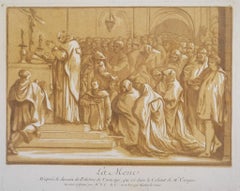
La Messe (The Mass), after Caravaggio

La Messe (The Mass), after Caravaggio

Located in Middletown, NY

Chiaroscuro woodcut with underlying engraving on cream laid paper, printed from two blocks in brown and olive. 10 1/4 x 12 3/4 inches (260 x 321 mm) (plate), full margins with the text printing clearly below in black ink. In very good condition with scattered surface soiling and several minor flecks of light discoloration in the margins, especially in the area of the lower right corner, well outside of image area. Unobtrusive notations in pencil in the margin and on the verso. All condition issues are consistent with age. After a drawing of the same title by Polidoro da Caravaggio...

Category

Mid-18th Century Old Masters Art by Medium: Engraving

Materials

Laid Paper, Engraving, Woodcut

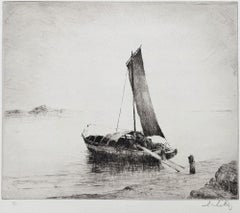
Italian Boat at Sunrise

Italian Boat at Sunrise

By Sidney Mackenzie Litten

Located in Middletown, NY

A nostalgic image of a bucolic farmyard and thatched cottage, hearkening to a bygone era. Etching with drypoint on laid watercolor paper, 9 7/8 x 11 3/4 inches, (251 x 229 mm), full...

Category

Early 20th Century English School Art by Medium: Engraving

Materials

Handmade Paper, Etching, Drypoint

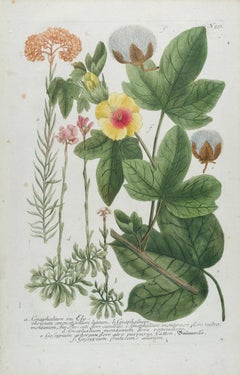
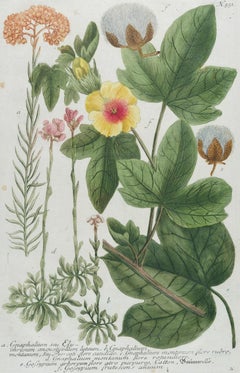
Flowering Cotton Plant: 18th Century Hand-colored Weinmann Botanical Engraving

Flowering Cotton Plant: 18th Century Hand-colored Weinmann Botanical Engraving

By Johann Wilhelm Weinmann

Located in Alamo, CA

This striking hand-colored botanical mezzotint and line engraving is entitled "Gnaphalium, Gossypium (Cotton Plant)". It is plate 551 in Johann Weinmann's monumental publication "Phy...

Category

Mid-18th Century Naturalistic Art by Medium: Engraving

Materials

Engraving, Mezzotint

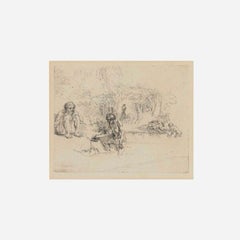
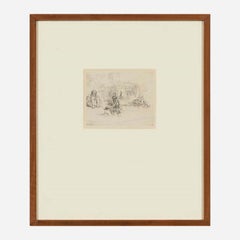
The Bathers ("De Zwemmertjes")

The Bathers ("De Zwemmertjes")

By Rembrandt van Rijn

Located in New York, NY

Etching and drypoint on laid paper, 1651. New Hollstein's third, and final, state. Full sheet size 5.38 x6.5 inches. Frame size 14.25 x 16.75 inches. Catalogue raisonné references...

Category

1650s Old Masters Art by Medium: Engraving

Materials

Drypoint, Etching

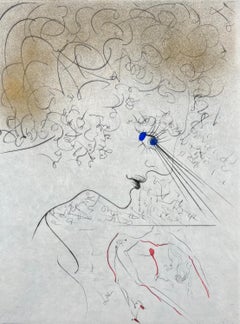
Salvador Dalí – La Tête ( The Head ) – hand watercolored drypoint etching – 1969

Salvador Dalí – La Tête ( The Head ) – hand watercolored drypoint etching – 1969

By Salvador Dalí­

Located in Varese, IT

hand watercolored drypoint etching on extremely fine Japanese paper, edited in 1969 limited edition of 145 copies water-colored , numbered in lower left corner ea ( artist proof ) signed in pencil by artist in lower right corner paper size: 38.5 x 28.5 cm framed size: 65 x 55 cm very good conditions Bibliography: Salvador Dalí Catalogue Raisoneé of etchings and mixed media prints Ref 369 pag 178 Fast and Tracked shipping with express currier DHL . We offer professional packaging and tracked shipping with DHL Express courier ( shipping time: 24 hours for European countries and 4 to 6 days for America and other non-eu countries...

Category

1960s Surrealist Art by Medium: Engraving
Materials

Paper, Watercolor, Drypoint, Etching

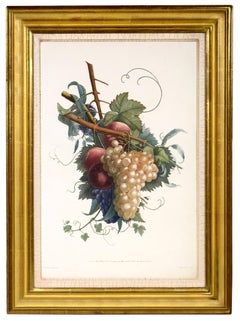
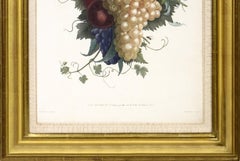
PRÉVOST. Print from Collection des Fleurs et des Fruits

PRÉVOST. Print from Collection des Fleurs et des Fruits

By Jean Louis Prévost

Located in London, London

Original stipple engraving by Charles-Louis Ruotte, printed in colour and finished by hand. [Paris. 1805] Prévost came from a long line of French artists spanning 400 years. Jean-Louis himself first exhibited at the Salon when only fourteen years of age, showing paintings of bouquets, a vase of flowers and other small botanical studies. Immediately he was commissioned by Monsieur Roussel to paint the flowers in the wealthy landowner's garden. The result was a 12-volume work of gouache studies, entitled "Hortus Cellensis", and was at once acquired by the Paris Natural History Library. Prévost's "Collection des Fleurs et Fruits...

Category

Early 1800s Naturalistic Art by Medium: Engraving

Materials

Color, Engraving, Handmade Paper

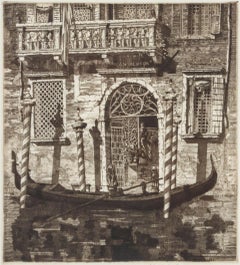
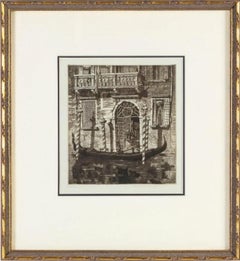
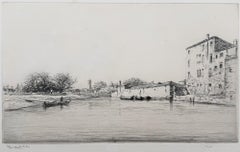
Palazzo dell'Angelo
Palazzo dell'Angelo

Palazzo dell'Angelo

By John Taylor Arms

Located in Middletown, NY

Palazzo dell'Angelo 1931 Etching and drypoint on cream-colored, handmade laid paper with deckle edges, 7 1/4 x 6 3/4 inches (185 x 171 mm), edition of 100, full margins. Signed, dated and numbered "Ed. 100" in pencil, lower margin, second state (of three). Printed by Henry Carling, New York. Extremely minor mat tone and some inky residue in the top right corner, all unobtrusive and well outside of image area. An exquisite impression of this intricate image, with astonishing detail, and all the fine lines printing clearly. The image represents the first print which Arms printed on his own handmade paper. Framed handsomely with archival materials and museum grade glass in a wood gilt frame with a flower and garland motif. Illustrated: Dorothy Noyes Arms, Hill Towns and Cities of Northern Italy, p. 180; Anderson, American Etchers Abroad 1880-1930; Eric Denker, Reflections & Undercurrents: Ernest Roth and Printmaking in Venice, 1900-1940, p. 116. [Fletcher 233] Born in 1887 in Washington DC, John Taylor Arms studied at Princeton University, and ultimately earned a degree in architecture at the Massachusetts Institute of Technology in 1912. With the outbreak of W.W.I, Arms served as an officer in the United States Navy, and it was during this time that he turned his focus to printmaking, having published his first etching in 1919. His first subjects were the Brooklyn Bridge, near the Navy Yard, and it was during his wartime travel that Arms created a series of extraordinarily detailed etchings based on Gothic cathedrals and churches he visited in France and Italy. He used what was available to him, namely sewing needles and a magnifying glass, to create the incredibly rich and fine detail that his etchings are known for. Upon his return to New York after the war, Arms enjoyed a successful career as a graphic artist, created a series of etchings of American cities, and published Handbook of Print Making and Print Makers (Macmillan, 1934). He served as President of the Society of American Graphic Artists, and in 1933, was made a full member of the National Academy of Design. In its most modern incarnation, Palazzo dell'Angelo was constructed in or around 1570. The building, which has a rich and storied history, was erected upon the ruins of an earlier structure which predates the Gothic period. Some remnants of the earliest features of the residence were most certainly still visible when Arms visited, as they are today. Having a background in architecture, there's no question that Arms was moved by the beauty, history and ingenuity represented in the physical structure. One thing specifically gives away Arms's passion for the architecture, and that is the fact that he focused on the building's Moorish entranceway, balustrade, and two mullioned windows, and not on the curious Gothic era bas-relief of an angel nestled into the facade of the building, after which the structure is named. The sculpture itself doesn't appear in Arms's composition at all, despite the fact that it is the feature of the building that is most famous in its folklore. Arms instead focuses on the oldest portion of the architecture, even documenting some of the remnants of a fresco, and a funerary stele for the freedman Tito Mestrio Logismo, and his wife Mestria Sperata (visible above the water level, to the left of the door, behind the gondola), which was first described in 1436. Among the many notable bits of history regarding the Palazzo, it has been documented that Tintoretto painted frescos of battle scenes on the facade of the building. The paintings have been lost to time and the elements, but not entirely to history. The empty frame...

Category

1930s American Modern Art by Medium: Engraving

Materials

Drypoint, Etching

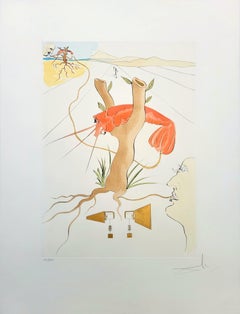
Le Téléphone (Lobster Telephone) /// Salvador Dali Surrealism Modern Engraving

Le Téléphone (Lobster Telephone) /// Salvador Dali Surrealism Modern Engraving

By Salvador Dalí­

Located in Saint Augustine, FL

Artist: Salvador Dali (Spanish, 1904-1989) Title: "Le Téléphone (Lobster Telephone)" Portfolio: Hommage à Leonardo da Vinci (Great Inventions) *Signed by Dali in pencil lower right Y...

Category

1970s Surrealist Art by Medium: Engraving
Materials

Engraving, Etching, Intaglio

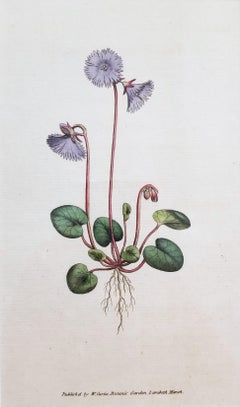
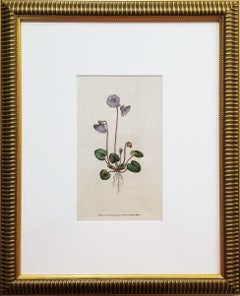
Soldanella Alpina Alpine Soldanella /// English Botanical Flower Engraving Print

Soldanella Alpina Alpine Soldanella /// English Botanical Flower Engraving Print

By William Curtis

Located in Saint Augustine, FL

Artist: William Curtis (English, 1746-1799) Title: "Soldanella Alpina Alpine Soldanella" (Vol. 2, Plate 49) Portfolio: The Botanical Magazine; or, Flower-Garden Displayed Year: 1788 ...

Category

1780s Victorian Art by Medium: Engraving

Materials

Watercolor, Laid Paper, Engraving, Intaglio

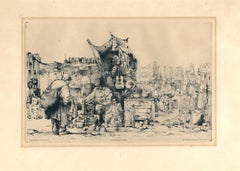
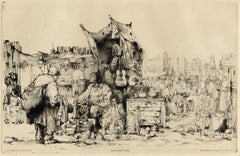
Le Marché aux Puces
Le Marché aux Puces

Le Marché aux Puces

By Auguste Brouet

Located in Middletown, NY

Published in Paris by Chalcographie Louvre around 1910. Drypoint etching on buff wove paper, 7 x 11 inches (175 x 278 mm) full margins. With the "Musée Louvre Chalcographie" blind st...

Category

Early 20th Century French School Art by Medium: Engraving

Materials

Handmade Paper, Drypoint, Etching

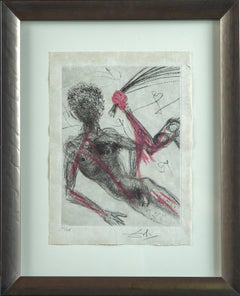
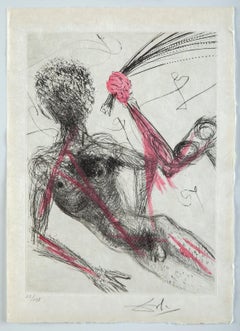
Salvador Dalí­, La Femme au Fouet Contemporary Art Surrealist Engraving

Salvador Dalí­, La Femme au Fouet Contemporary Art Surrealist Engraving

By Salvador Dalí­

Located in Minneapolis, MN

Artist: Salvador Dalí­ Title: La Femme au Fouet Medium: Engraving on Paper Image Size: 12.5" x 10.25" Frame Size: 23” x 18.5” Edition: 25/145 Condition: Museum quality Meaning "Woma...

Category

Late 20th Century Art by Medium: Engraving

Materials

Paper, Engraving

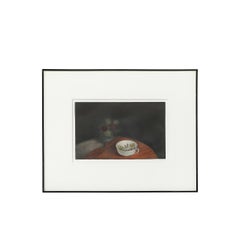
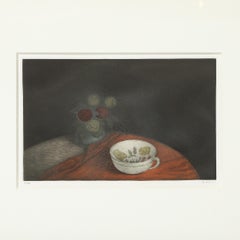
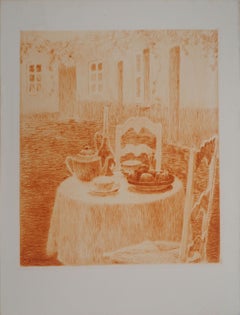
The Pink Tablecloth - Original etching

The Pink Tablecloth - Original etching

By Henri Le Sidaner

Located in Paris, IDF

Henri LE SIDANER (1862-1939) The Pink Tablecloth, 1928 Original drypoint etching Signed in the plate On vellum, 28 x 20.5 cm Very good condition, minor flaws at the edges of the page

Category

1920s Impressionist Art by Medium: Engraving
Materials

Drypoint, Etching

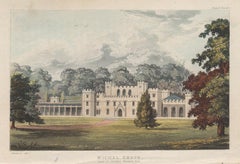
Michel Grove, Sussex English Regency country house colour aquatint, 1818

Michel Grove, Sussex English Regency country house colour aquatint, 1818

Located in Melbourne, Victoria

'Michel Grove, Seat of Thomas Walker Esq'. Michel Grove was a house in Sussex which Humphrey Repton was commissioned to landscape. Published by Rudo...

Category

Early 19th Century Victorian Art by Medium: Engraving

Materials

Engraving, Etching, Aquatint

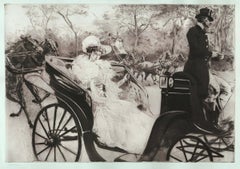
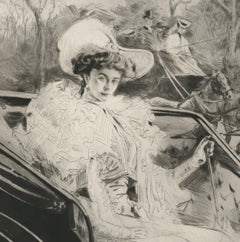
La Promenade Etching, Art Nouveau, Signed, Edition of 50, 1900s

La Promenade Etching, Art Nouveau, Signed, Edition of 50, 1900s

By Edgar Chahine

Located in Fairlawn, OH

La Promenade Etching, soft-ground, aquatint & drypoint, Signed in pencil lower left Published by Edmund Sagot, Paris Edition of 50 in black only, aside from the edition of 50 in co...

Category

Early 1900s Art Nouveau Art by Medium: Engraving

Materials

Drypoint, Etching, Aquatint

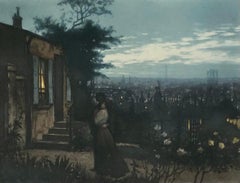
Two lovers in a garden above Paris

Two lovers in a garden above Paris

By Lionello Balestrieri

Located in Genève, GE

Ed: 31/300 Work on paper Golden wooden frame with glass pane 68 x 85.5 x 2.5 cm

Category

Mid-20th Century Art by Medium: Engraving

Materials

Engraving

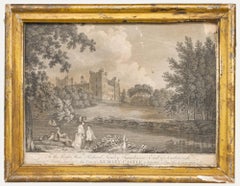
Byrne and Middiman after Hearne - 1779 Engraving, A View of Lumley Castle

Byrne and Middiman after Hearne - 1779 Engraving, A View of Lumley Castle

Located in Corsham, GB

A finely detailed engraving depicting Lumley Castle near Durham by William Byrne (1743-1805) and Samuel Middiman (1750-1831) after Thomas Hearne (1744-1817), with figures by Francesc...

Category

Early 18th Century Art by Medium: Engraving

Materials

Engraving

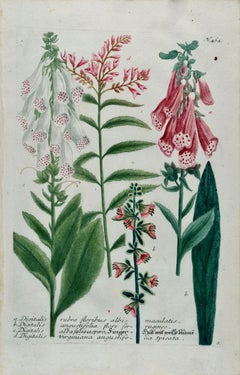
Flowering Digitalis Plant: 18th C. Hand-colored Botanical Engraving by Weinmann

Flowering Digitalis Plant: 18th C. Hand-colored Botanical Engraving by Weinmann

By Johann Wilhelm Weinmann

Located in Alamo, CA

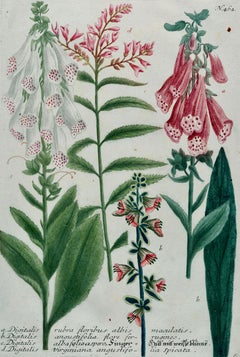
This hand-colored botanical mezzotint and line engraving by Johann Wilhelm Weinmann (1683-1741) is entitled "Digitalis rubra floribus albis maculatis. Digitalis angustifolia flore fe...

Category

Mid-18th Century Naturalistic Art by Medium: Engraving

Materials

Engraving, Mezzotint

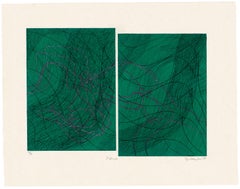
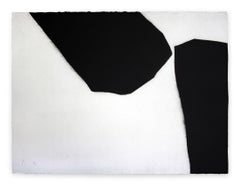
'Diptych' —  Modernist Abstraction, Atelier 17

'Diptych' — Modernist Abstraction, Atelier 17

By Stanley William Hayter

Located in Myrtle Beach, SC

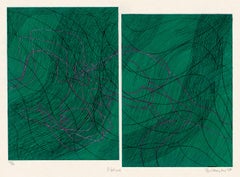
Stanley William Hayter, 'Diptych', color engraving and scorper, 1967, edition 50, Black & Moorhead 314. Signed, titled, dated, and numbered '10/50' in pencil. A superb, richly-inked impression, with fresh, vibrant colors on antique-white wove BFK Rives paper; the full sheet with margins (2 1/2 to 3 1/4 inches). Minor skinning and tape residue on the top and bottom sheet edges, verso, otherwise in excellent condition. Matted to museum standards, unframed. Image size 13 7/8 x 19 1/2 inches (146 x 108 mm); sheet size 19 7/8 x 25 3/8 inches (394 x 292 mm). Hayter created this work using engraving and scorper on 2 plates, printed side by side. He used alkali blue, printed intaglio, and a phthalo green with a hard roller on the surface. The proofing was in three states, the first with engraving (a single proof); the second adding further engraving and scorper (a single proof); the third added further engraving and editioned: color trial proofs, 5 artist's proofs, edition of 50. The edition was completed in three printings: 8 in 1967; then Hector Saunier printed numbers 9 through 18 in 1968, and numbers 19 through 50 in 1969. This impression is from the Saunier 1968 printing. Note: the online image cannot accurately convey the vibrancy of the printed alkali blue/phthalo green. An impression of this work is held in the collection of the National Gallery of Art. ABOUT THE ARTIST Stanley William Hayter (1901-1988) was a British painter and printmaker associated in the 1930s with Surrealism and from 1940 onward with Abstract Expressionism. Regarded as one of the most significant printmakers of the 20th century, Hayter founded the legendary Atelier 17 studio in Paris, now known as Atelier Contrepoint. Among the artists he is credited with influencing are Pablo Picasso, Alberto Giacometti, Joan Miró, Alexander Calder, and Marc Chagall. The hallmark of the workshop was its egalitarian structure, breaking sharply with the traditional French engraving studios by insisting on a cooperative approach to labor and technical discoveries. In 1929 Hayter was introduced to Surrealism by Yves Tanguy and André Masson, who, with other Surrealists, worked with Hayter at Atelier 17. The often violent imagery of Hayter’s Surrealist period was stimulated in part by his passionate response to the Spanish Civil War and the rise of Fascism. He organized portfolios of graphic works to raise funds for the Spanish cause, including Solidarité (Paris, 1938), a portfolio of seven prints, one of them by Picasso. Hayter frequently exhibited with the Surrealists during the 1930s but left the movement when Paul Eluard was expelled. Eluard’s poem Facile Proie (1939) was written in response to a set of Hayter’s engravings. Other writers with whom Hayter collaborated in this way included Samuel Beckett and Georges Hugnet. Hayter joined the exile of the Parisian avant-garde in 1939, moving with his second wife, the American sculptor Helen...

Category

1960s Modern Art by Medium: Engraving

Materials

Engraving

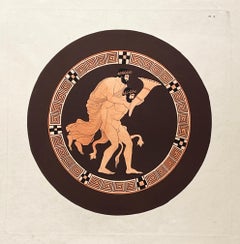
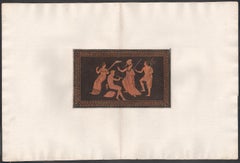
Ancient Etruscan Greek vase painting. Early 19th century engraving, 1808

Ancient Etruscan Greek vase painting. Early 19th century engraving, 1808

Located in Melbourne, Victoria

Etruscan Vase-painting Copper-line engraving with later hand-colouring. 1808. From Millin's 'Peintures de Vases Antiques' published in Paris in 1808. Depicts scene from an ancient ...

Category

Early 19th Century Other Art Style Art by Medium: Engraving

Materials

Engraving

La Ronde, Old Masters Drypoint by Auguste Rodin

La Ronde, Old Masters Drypoint by Auguste Rodin

By Auguste Rodin

Located in Long Island City, NY

Auguste Rodin, French (1840 - 1917) - La Ronde, Year: 1883, Medium: Drypoint, signed in pencil, Image Size: 4 x 5.75 inches, Size: 13.25 x 9.5 in. (33.66 x 24.13 cm), Reference: Del...

Category

1880s Old Masters Art by Medium: Engraving

Materials

Drypoint

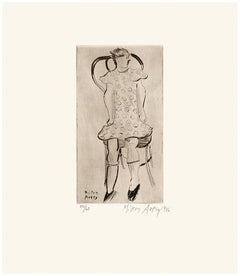
'Little Girl' — American Modernism

'Little Girl' — American Modernism

By Milton Avery

Located in Myrtle Beach, SC

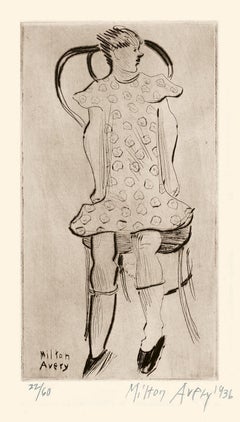
Milton Avery, 'Little Girl', drypoint, 1936, edition 60, Lunn 11. Signed, dated, and numbered '22/60' in pencil. A superb impression, in warm black ink with delicate overall plate tone, on off-white wove paper, with wide margins (2 5/8 to 4 1/8 inches); hinge stains on the top sheet edge, verso, otherwise in excellent condition. Matted to museum standards, unframed. Image size 8 3/4 x 4 3/4 inches (222 x 121 mm); sheet size 14 7/8 x 13 1/8 inches (378 x 333 mm). Collections: Cantor Arts Center, National Gallery of Art. ABOUT THE ARTIST "I never have any rules to follow; I follow myself." "I paint not by sight but by faith. Faith gives you sight." —Milton Avery 'His is the poetry of sheer loveliness.' —Mark Rothko in his 1965 eulogy to Avery. Milton Avery (1885-1965) is recognized as one of America's foremost modernist artists, renowned for his uniquely expressive style, evocative use of color, and captivating compositions. Growing up in a working-class family in Altmar, New York, Avery's early life was marked by the struggles and realities of rural New York. Despite lacking formal artistic training, he displayed an innate talent for drawing from an early age. In 1905, his family relocated to Hartford, Connecticut, where he worked various odd jobs while developing his artistic skills through self-study and experimentation. In 1915, he enrolled at the Connecticut League of Art Students, where he received formal instruction and began to refine his distinctive style. In 1918, Avery transferred to the School of the Art Society of Hartford and worked in the evenings so that he could paint during the day. He became a member of the Connecticut Academy of Fine Arts in 1924. That summer in Gloucester, Massachusetts, he met the artist Sally Michael...

Category

1930s American Modern Art by Medium: Engraving

Materials

Drypoint

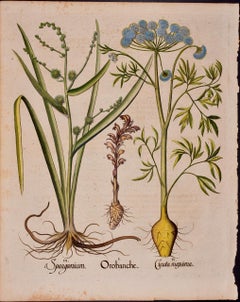
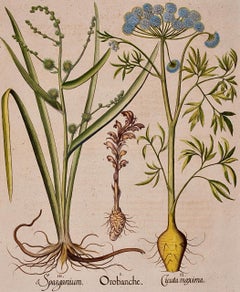
Bur Reed & Water Hemlock: A 17th-18th C. Besler Hand-colored Botanical Engraving

Bur Reed & Water Hemlock: A 17th-18th C. Besler Hand-colored Botanical Engraving

By Basilius Besler 1

Located in Alamo, CA

This is a hand-colored copper plate engraving entitled "Orobanche, Cicuta Maxima, Sparganium (Bur Reed, Water Hemlock, Broomrape) ", depicting a flowering Bur Reed, Water Hemlock, Broomrape plants from Basilius Besler's landmark work, Hortus Eystettensis (Garden at Eichstatt), first published in 1613 in Eichstatt, Germany near Nuremberg and later in 1640 and 1713. This beautiful colorful engraving is printed on thin laid chain-linked paper with wide margins. There us spotting and some discoloration, most prominently in the upper and lower margins. There is irregularity and some loss along the right paper edge. The print is otherwise in excellent condition with striking hand-coloring. The sheet measures 21.5" high and 17.25" wide. Basilius Besler (1561–1629) was an apothecary and botanist. He was curator of the Willibaldsburg Castle garden of Johann Konrad von Gemmingen, prince bishop...

Category

Early 18th Century Academic Art by Medium: Engraving

Materials

Engraving

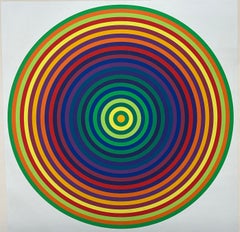
Serie 23 no. 14-4, Serigraph, edition 157 of 200

Serie 23 no. 14-4, Serigraph, edition 157 of 200

By Julio Le Parc

Located in Miami, FL

"Serie 23 no. 14-4" 1971 Serigraph in color Edition 157 of 200 30 x 30 in Julio Le Parc is an Argentinian artist best known for his pioneering works of Kinetic Art. Depicting lab...

Category

1970s Art by Medium: Engraving

Materials

Engraving

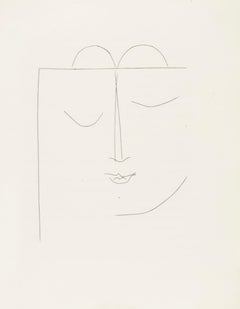
Pablo Picasso, Untitled, from Carmen, 1949

Pablo Picasso, Untitled, from Carmen, 1949

By Pablo Picasso

Located in Southampton, NY

This exquisite engraving by Pablo Picasso (1881–1973), titled Sans titre (Untitled), from the folio Picasso, Carmen (Picasso, Carmen), originates from the 1949 edition published by L...

Category

1940s Cubist Art by Medium: Engraving

Materials

Engraving

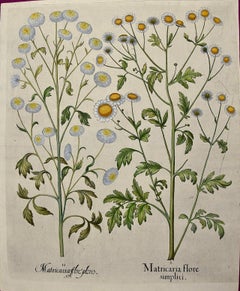
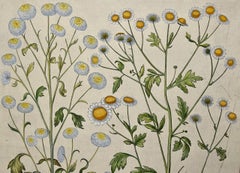
Flowering Feverfew Plants: A 17th C. Besler Hand-colored Botanical Engraving

Flowering Feverfew Plants: A 17th C. Besler Hand-colored Botanical Engraving

By Basilius Besler 1

Located in Alamo, CA

This is a hand-colored copper plate engraving entitled "Matricaria Flore Simplici, Matricaria Flore Pleno, depicting flowering Feverfew and Double-flowered Feverfew plants, from Basilius Besler's landmark work, Hortus Eystettensis (Garden at Eichstatt), first published in 1613 in Eichstatt, Germany near Nuremberg and later in 1640 and 1713. The feverfew plant is also known as featherfew, featherfoil, or bachelor’s buttons...

Category

1640s Academic Art by Medium: Engraving
Materials

Engraving

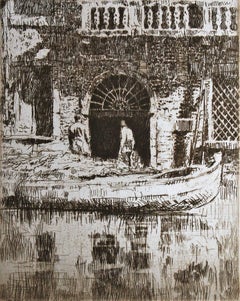
Riva San Giuliano
Riva San Giuliano

Riva San Giuliano

By Edgar Chahine

Located in Middletown, NY

Etching with drypoint on cream laid paper with a deckle edge, 7 7/8 x 13 1/8 inches ( 200 x 334 mm), full margins. Signed and numbered 27/100 in pencil in the lower margin. With two ...

Category

Early 20th Century French School Art by Medium: Engraving
Materials

Handmade Paper, Drypoint, Etching

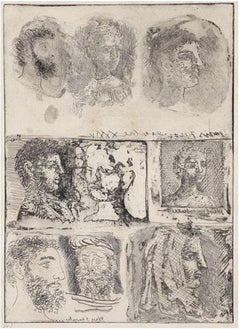
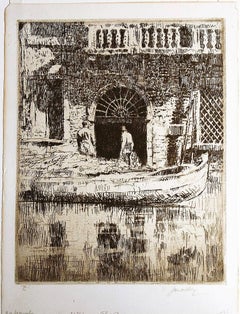
Feuille d'etudes Techniques: Neuf Tetes

Feuille d'etudes Techniques: Neuf Tetes

By Pablo Picasso

Located in New York, NY

Etching and drypoint on laid paper, 1934. With Picasso's ink stamped signature lower right, and numbered 29/50 in pencil lower left. Image 12.25 x 8.75 inches, full sheet 19.5 x 13...

Category

1930s Modern Art by Medium: Engraving
Materials

Etching, Drypoint

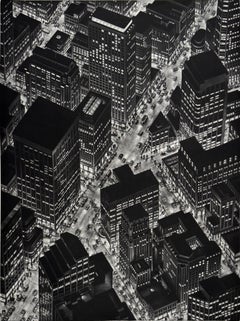
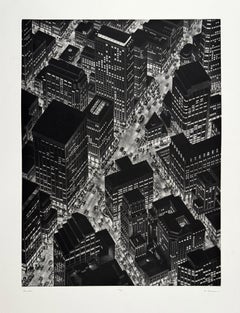
Nocturnal, by Art Werger

Nocturnal, by Art Werger

By Art Werger

Located in Palm Springs, CA

Medium: mezzotin Year: 2022 Edition: 50 Image Size: 17.75 x 23.5 inches Signed, titled and numbered in pencil by the artist Dramatic image of the streets of New York from the air. ....

Category

2010s Contemporary Art by Medium: Engraving
Materials

Mezzotint

Engraving art for sale on 1stDibs.
Find a wide variety of authentic Engraving art available on 1stDibs. There are many well-known artists whose body of work includes ceramic sculptures. Not every interior allows for large Engraving art, so small editions measuring 0.4 inches across are also available Prices for art made by famous or emerging artists can differ depending on medium, time period and other attributes. On 1stDibs, the price for these items starts at $106 and tops out at $981,948, while the average work can sell for $3,322.